


Stereo Zoom Microscopes
We offer two models of Trinocular Stereo Microscopes – OPTIZOOM which is our standard model and STEMI 305, which is an advanced model from Carl Zeiss.
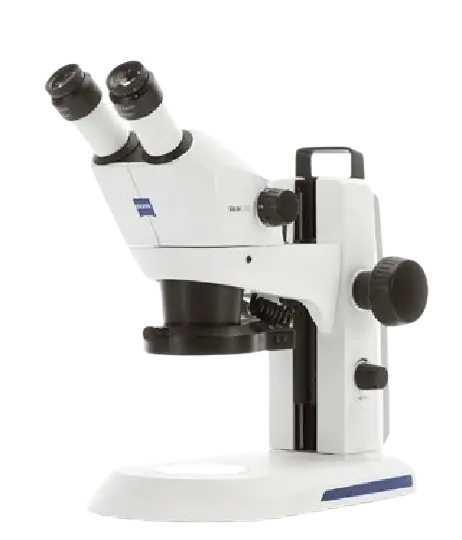
Stereo Zoom Microscopes
We offer two models of Trinocular Stereo Microscopes – OPTIZOOM which is our standard model and STEMI 305, which is an advanced model from Carl Zeiss. Both are Trinocular models with LED illumination, with STEMI 305 offering high intensity LED illumination.
- OPTIZOOM Model (Standard model)
- STEMI 305 Model (from Carl Zeiss)
Key Features of Stereo Zoom Microscopes

Continuous Zoom Magnification
True 3D Stereo Imaging
High-Resolution Optical System
Binocular & Trinocular Viewing Options
Adjustable Interpupillary & Diopter Controls
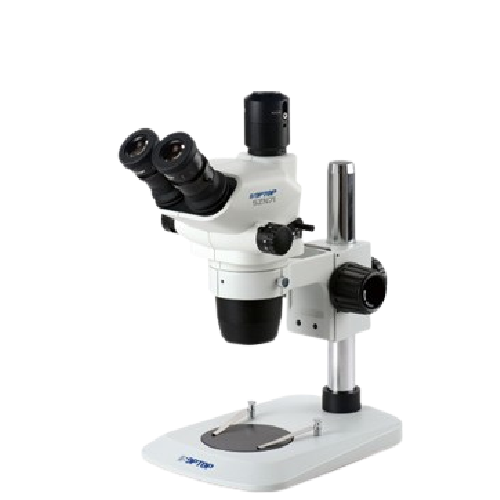
OPTIZOOM (Standard Stereo Zoom Microscope)
OPTIZOOM is our Standard Stereo Zoom Trinocular microscope which provides good image quality...
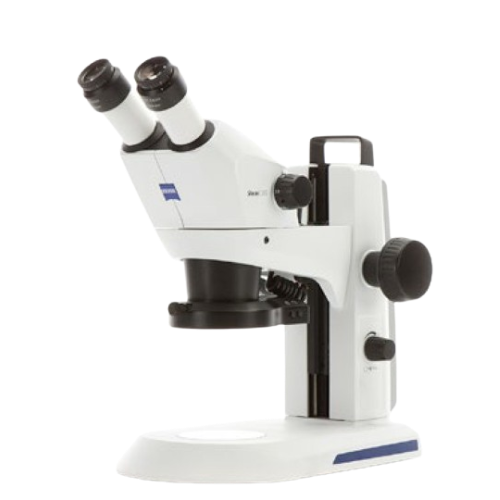
STEMI 305 (Stereo Zoom Microscope from Carl Zeiss)
STEMI 305 is a Trinocular Stereo Zoom microscope from Cael Zeiss. STEMI 305 provides high quality...
How Stereo Zoom Microscopes Work?
Stereo zoom microscopes work by using two separate optical paths to deliver a true 3D image of the specimen, allowing clear depth perception. A built-in zoom mechanism enables smooth, continuous magnification changes without changing lenses, while maintaining focus. Reflected and transmitted illumination enhance visibility of opaque or transparent samples, and the long working distance allows easy handling and inspection of objects during observation.
Locations We Serve
QS Metrology provides Stereo Zoom Microscopes across India, serving all major industrial regions, including:
Delhi NCR, Rajasthan, Punjab, Uttar Pradesh, Himachal Pradesh, Uttarakhand, Jammu & Kashmir
Why Choose QS Metrology?
High-Quality, Trusted Brands
Expert Technical Support & Guidance
Pan-India Service & After-Sales Support
Versatile Applications Across Industries
Long-Term Reliability & Customer Commitment
FAQs
A stereo zoom microscope provides a three-dimensional (3D) view of specimens using two separate optical paths, unlike regular microscopes that produce a flat 2D image. It also allows smooth, continuous zoom without changing lenses.
Most models offer magnification from 0.7× up to 45×, depending on the zoom ratio. Some advanced microscopes provide up to 100× with additional objectives or accessories.
Yes, they are versatile. They are widely used in electronics, automotive, jewelry, and material inspection, as well as in schools, colleges, and research laboratories.
Stereo zoom microscopes typically provide reflected (top) light for opaque samples and transmitted (bottom) light for transparent specimens, often with adjustable LED or halogen sources.
Yes, trinocular models allow cameras or digital imaging systems to be attached for photography, measurement, and live display without affecting visual observation.
Consider magnification range, working distance, illumination type, binocular vs. trinocular head, and budget. QS Metrology experts can guide selection based on your specific industrial, educational, or research needs.
Industries We Serve

Automotive

Medical Device & Pharmaceutical

Aerospace

Electronic & Electric Component

Chemicals & Petrochemicals

Metal Foundries & Casting

Energy, Power & Renewables
