


Why Quality Inspection Can’t Stay Manual Anymore?
Here’s the problem:
Manual checks are slow, inconsistent, and prone to human error—especially when you’re producing thousands of components daily.
That’s where a machine vision system changes everything.
Table of Contents
- What is a Machine Vision System?
- Why Traditional Inspection Fails in Automotive Manufacturing
- How Machine Vision Systems Improve Quality Inspection
- Key Applications in Automotive & Auto Components
- Real Business Benefits (Beyond Just Quality)
- How to Choose the Right Vision System
- Conclusion
- FAQs
What is a Machine Vision System?
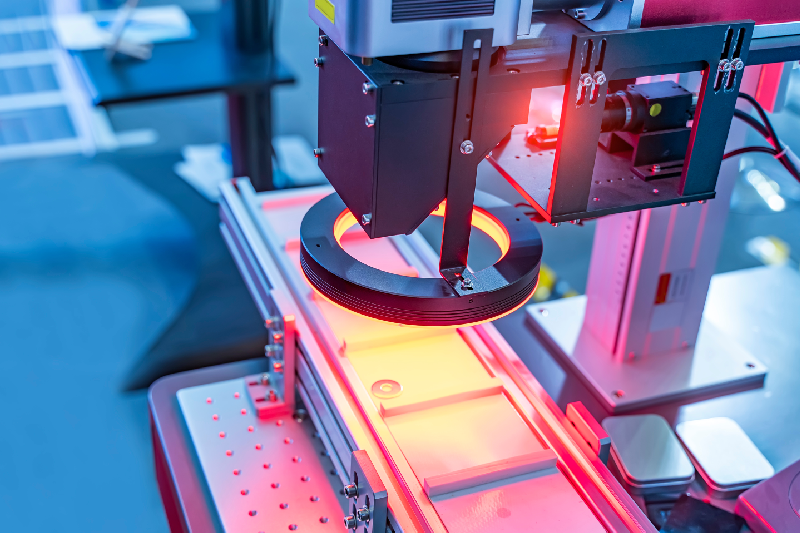
Unlike manual inspection, a vision system machine doesn’t get tired, distracted, or inconsistent. It captures high-resolution images, processes them instantly, and identifies defects with precision.
In simple terms:
It replaces human eyes with intelligent, data-driven inspection.
A typical machine vision setup includes:
- Industrial cameras
- Lighting systems
- Image processing software
- AI-based defect detection algorithms
This combination allows manufacturers to detect even the smallest defects—ones that are often missed by the human eye.
Why Traditional Inspection Fails in Automotive Manufacturing?
You’re dealing with:
- High-speed production lines
- Complex components (engine parts, brake systems, electronics)
- Zero-defect expectations from OEMs
Here’s where manual inspection falls short:
Common Challenges
- Inconsistent quality due to human fatigue
- Missed micro-defects in critical components
- Slower inspection speeds
- High labor dependency
- Lack of real-time data and traceability
For quality heads and plant managers, this creates a constant struggle:
“How do we maintain quality without slowing down production?”
The answer lies in automation—and specifically, machine vision systems.
How Machine Vision Systems Improve Quality Inspection?
Real-Time, 100% Inspection at Production Speed
A machine vision system inspects every single component—not just random samples. That means no defective part slips through unnoticed.
Unlike manual checks, inspection happens in-line, without stopping production.
High Accuracy & Consistency
A vision system follows predefined parameters with zero variation. Whether it’s the first part or the millionth, the inspection standard remains exactly the same.
This is critical for:
- Engine components
- Brake systems
- Transmission parts
Where even a tiny defect can lead to failure.
Faster Decision-Making with Instant Feedback
Modern machine vision systems provide real-time results:
- OK / Not OK classification
- Automatic rejection of defective parts
- Alerts for process deviations
This helps production teams act instantly instead of discovering issues later.
Data-Driven Quality Control
One of the biggest advantages? Data.
A vision system machine doesn’t just inspect—it collects valuable production data:
- Defect trends
- Root cause analysis
- Process improvement insights
This is a game-changer for operations heads and industrial engineers looking to optimize manufacturing performance.
Key Applications in Automotive & Auto Components
Machine vision systems are widely used across different stages of automotive manufacturing.
Common Use Cases
1. Surface Defect Detection
- Scratches, dents, cracks
- Paint defects
- Casting imperfections
2. Dimensional Measurement
- Precision measurement of components
- Tolerance verification
3. Assembly Verification
- Correct part placement
- Missing components detection
4. Barcode & OCR Reading
Traceability and part identification
5. Weld & Joint Inspection
Ensuring structural integrity
These applications are especially critical for:
- OEM manufacturers
- Tier 1 & Tier 2 suppliers
- Auto component exporters
Real Business Benefits (Beyond Just Quality)
Most companies think machine vision is only about quality improvement. But the real value goes much deeper.
Tangible Benefits
- Reduced rejection rates
- Lower rework and scrap costs
- Improved production efficiency
- Faster throughput
- Reduced dependency on manual labor
Strategic Benefits
- Better compliance with OEM standards
- Improved brand reputation
- Scalability for high-volume production
- Stronger competitive advantage
ROI Perspective
Many manufacturers recover their investment within months—not years.
Why?
Because:
- Fewer defects = lower losses
- Faster production = higher output
- Automation = reduced labor costs
For procurement and decision-makers, this makes the investment highly justifiable.
How to Choose the Right Vision System for Your Plant?
Not all systems are created equal. Choosing the right machine vision system depends on your specific application.
A reliable coating thickness gauge (DFT meter) helps you stay ahead—by ensuring quality, reducing risk, and improving profitability.
Key Factors to Consider
- Type of components (metal, plastic, electronics)
- Inspection speed requirements
- Accuracy and tolerance levels
- Integration with existing production lines
- AI vs rule-based inspection
Pro Tip:
Always look for a solution provider who offers:
- Customization
- On-site support
- Industry experience in automotive manufacturing
Because a generic solution rarely works in a complex production environment.
Conclusion: The Future of Automotive Quality is Automated
The automotive industry is moving toward zero-defect manufacturing, and manual inspection simply can’t keep up.
A machine vision system is no longer a “nice-to-have”—it’s a necessity.
From improving accuracy to reducing costs and enabling smarter production, machine vision systems are transforming how automotive manufacturers approach quality inspection.
The question is no longer “Should we adopt machine vision?”
It’s “How soon can we implement it?”