


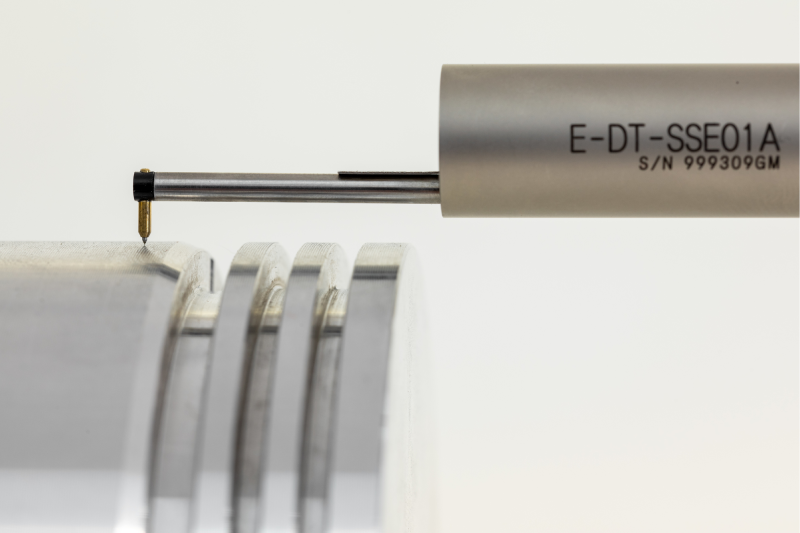
If you’re dealing with rejected components, inconsistent finishes, or strict OEM quality audits, you already know one thing—surface finish isn’t just a detail, it’s a deal-breaker.
A minor deviation in Ra value can lead to engine inefficiency, premature wear, or complete part rejection. And when you’re supplying to OEMs or working in Tier 1 manufacturing, there’s zero room for error.
That’s where the right surface roughness tester makes all the difference.
In this blog, we’ll break down how to choose the best tester for your application, what features actually matter, and how the right investment can reduce defects, improve compliance, and boost production efficiency.
Table of Contents
- Why Surface Roughness Matters in Automotive Manufacturing
- What is a Surface Roughness Tester?
- Key Features to Look for (Buyer’s Guide)
- Best Types of Surface Roughness Testers for OEMs
- How to Choose the Right Tester for Your Plant
- FAQs
Why Surface Roughness Matters in Automotive Manufacturing?
In automotive production, surface finish directly impacts:
- Engine performance and fuel efficiency
- Friction and wear in moving parts
- Coating adhesion and corrosion resistance
- Product lifespan and reliability
For example, a poorly finished crankshaft or gear can lead to higher friction, noise, and early failure.
That’s why OEMs enforce strict standards—and why using advanced surface roughness measuring instruments is no longer optional.
What is a Surface Roughness Tester?
A surface roughness tester (also known as an Ra tester) is a precision device used to measure the texture and irregularities of a surface.
It evaluates parameters like:
- Ra (Average Roughness)
- Rz (Mean Peak-to-Valley Height)
- Rt, Rq, and more
Modern surface roughness measurement equipment provides digital accuracy, fast readings, and data storage, making it ideal for high-volume automotive environments.
Key Features to Look for in a Surface Roughness Tester
Choosing the right tester isn’t about buying the most expensive device—it’s about buying the right-fit solution for your operations.
1. High Accuracy & Repeatability
Consistency is everything. Your tester should deliver repeatable results across multiple measurements to meet OEM standards.
2. Portable vs Benchtop Design
- Portable testers → Ideal for shop floor inspections
- Benchtop systems → Best for lab-level precision
3. Multi-Parameter Measurement
Look for devices that measure:
- Ra, Rz, Rq
- Waviness & profile parameters
This ensures complete surface analysis, not just basic readings.
4. User-Friendly Interface
Your operators shouldn’t struggle. A good tester should have:
- Simple navigation
- Touchscreen display
- Quick setup
5. Data Storage & Connectivity
Modern surface roughness measuring instruments should allow:
- USB/export options
- Report generation
- Integration with quality systems
Best Types of Surface Roughness Testers for OEMs & Tier 1 Suppliers
1. Portable Surface Roughness Testers
Best for:
- Shop floor inspections
- On-site quality checks
- Large components
Benefits:
- Easy to carry
- Fast measurements
- Ideal for production lines
2. Benchtop Surface Roughness Testers
Best for:
- Quality labs
- Detailed analysis
- R&D applications
Benefits:
- Higher precision
- Advanced data analysis
- Ideal for audits and compliance
3. Advanced Digital Surface Roughness Testers
Best for:
- OEM suppliers
- High-volume manufacturing
- Smart factories
Benefits:
- Automation-ready
- Real-time data tracking
- Industry 4.0 integration
How to Choose the Right Surface Roughness Tester for Your Plant?
Here’s a simple decision framework:
Step 1: Identify Your Application
- Engine components → High precision required
- Casting/forging → Rugged portable devices
Step 2: Understand OEM Requirements
Check required:
- Ra limits
- Compliance standards
- Reporting format
Step 3: Evaluate Your Production Environment
- Shop floor → Portable device
- Lab → Benchtop system
Step 4: Consider ROI (Not Just Cost)
A high-quality surface roughness measurement equipment can:
- Reduce rejection rates
- Improve process consistency
- Save long-term costs
Pro Tip: What Top Manufacturers Are Doing
Leading automotive manufacturers are now:
- Integrating testers with digital quality systems
- Automating inspection processes
- Using real-time data for predictive maintenance
This shift is helping them reduce defects by up to 30% and improve efficiency significantly.
FAQs
What is the ideal Ra value for automotive components?
It depends on the component, but typically ranges between 0.2 to 1.6 µm for precision parts.
What is the difference between Ra and Rz?
- Ra = Average roughness
- Rz = Peak-to-valley height
Both are critical for complete surface analysis.
Are portable surface roughness testers accurate?
Yes, modern portable testers provide high accuracy and reliability, suitable for most industrial applications.
How often should surface roughness testers be calibrated?
Ideally, every 6–12 months, depending on usage and industry standards.
Conclusion
Choosing the right surface roughness tester isn’t just a technical decision—it’s a business decision.
The right tool helps you:
- Meet strict OEM standards
- Reduce costly rejections
- Improve product performance
- Build long-term client trust
If you’re serious about quality, consistency, and scaling your automotive manufacturing, investing in the right surface roughness measuring instruments is non-negotiable.