


A vehicle is only as strong as its weakest weld.
In the automotive industry, even a small flaw in weld penetration can lead to structural weaknesses, safety risks, or premature component failure. Whether it’s a car chassis or an EV battery enclosure, poor welding isn’t just a production issue—it directly impacts performance, safety, and brand reputation.
The good news? Modern weld inspection systems are transforming automotive manufacturing.
In this blog, you’ll discover how advanced inspection technologies ensure proper welding penetration, improve vehicle durability, and help manufacturers reduce costly rework while meeting global standards.
Table of Contents
- What is Weld Penetration in Automotive Manufacturing?
- Why Weld Quality Directly Impacts Vehicle Durability
- How Advanced Weld Inspection Systems Work
- Key Benefits for Automotive Manufacturers
- Manual vs Automated Weld Inspection
- FAQs
- Conclusion
What is Weld Penetration in Automotive Manufacturing?
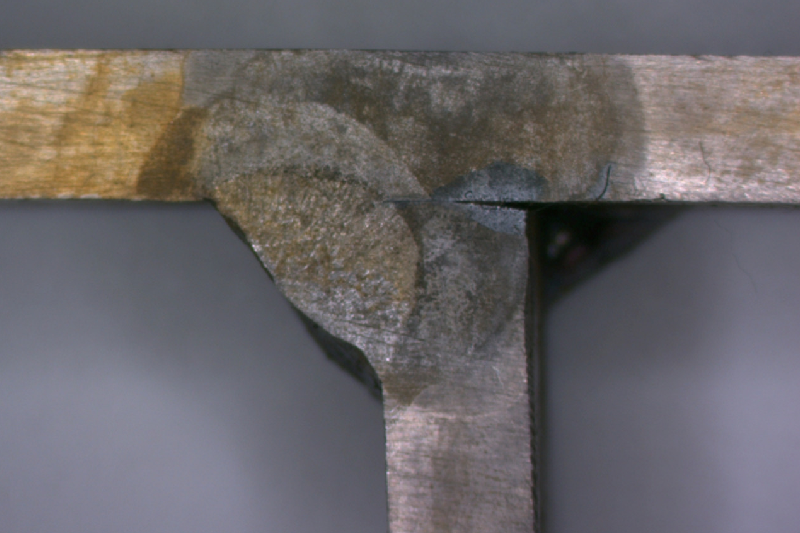
Weld penetration refers to how deeply the weld metal fuses into the base material.
In automotive manufacturing, this is critical because vehicles experience:
- Continuous vibration and motion
- Impact and load stress
- Temperature variations
Types of Welding Penetration
- Full penetration welding – Ensures maximum strength and crash resistance
- Partial penetration – Used in non-critical components
- Excess penetration – Can weaken or distort parts
If the penetration of welding is incorrect, the weld may appear strong externally—but fail under real-world driving conditions.
Why Weld Quality Directly Impacts Vehicle Durability?
Let’s make this practical.
Imagine a car chassis welded without proper inspection. At first, everything looks perfect. But over time:
- Micro-cracks begin forming
- Structural integrity weakens
- Component fatigue increases
This is where poor weld inspection becomes costly.
Real Impact on Automotive Manufacturers
- Increased warranty claims
- Product recalls
- Production delays
- Brand reputation damage
On the other hand, ensuring correct welding full penetration significantly improves:
- Vehicle safety
- Structural strength
- Long-term durability
How Advanced Weld Inspection Systems Work?
Modern inspection systems go far beyond manual checks.
They combine precision technology with real-time data to ensure accurate weld penetration across high-speed production lines.
Common Technologies Used
1. Ultrasonic Testing (UT)
Detects internal weld defects using high-frequency sound waves.
2. Radiographic Testing (RT)
Uses X-rays to inspect internal weld structures.
3. Laser Profiling Systems
Measures weld geometry and penetration depth with high precision.
4. AI-Powered Vision Systems
Automatically analyze weld seams and detect defects in real-time.
Key Benefits for Automotive Manufacturers
1. Stronger and Safer Vehicles
Accurate welding penetration ensures critical joints can withstand real-world driving stress and impact.
2. Reduced Rework and Production Costs
Early defect detection minimizes scrap, rework, and costly recalls.
3. Faster Production Cycles
Automated weld inspection systems enable faster and more consistent quality checks.
4. Compliance with Global Standards
Meeting automotive safety and quality standards becomes easier with reliable inspection data.
5. Data-Driven Manufacturing
Advanced systems provide actionable insights, helping manufacturers continuously improve welding processes.
Manual vs Automated Weld Inspection: What’s Better?
Manual Inspection
- Relies heavily on operator skill
- Time-consuming
- Higher chances of missed defects
Automated Inspection Systems
- Real-time monitoring
- High accuracy and consistency
- Easily scalable for mass production
In today’s competitive automotive industry, automation is no longer optional—it’s essential.
Practical Tips to Improve Weld Penetration in Automotive Manufacturing
If you want to improve weld quality in your production line, start here:
- Implement automated inspection systems for critical welds
- Train welders on welding full penetration techniques
- Continuously monitor welding parameters
- Integrate inspection systems with robotic welding lines
- Maintain detailed inspection and quality records
In automotive manufacturing, durability and safety go hand in hand.
And it all starts with one key factor: weld penetration.
Advanced weld inspection systems help manufacturers:
- Build safer vehicles
- Reduce production risks
- Improve efficiency
- Maintain consistent quality
Investing in the right inspection technology isn’t just about quality control—it’s about building vehicles your customers can trust.
FAQs
Why is weld penetration important in automotive manufacturing?
What is full penetration in welding?
Welding full penetration means the weld fully fuses through the material thickness, providing maximum strength.
How do inspection systems improve weld quality?
They detect internal defects, measure penetration depth, and provide real-time feedback.
Which industries benefit most from weld inspection systems?
Automotive, aerospace, oil & gas, and heavy engineering industries.
Are automated weld inspection systems worth the investment?
Yes. They reduce rework, improve quality, and increase production efficiency—leading to strong ROI.