


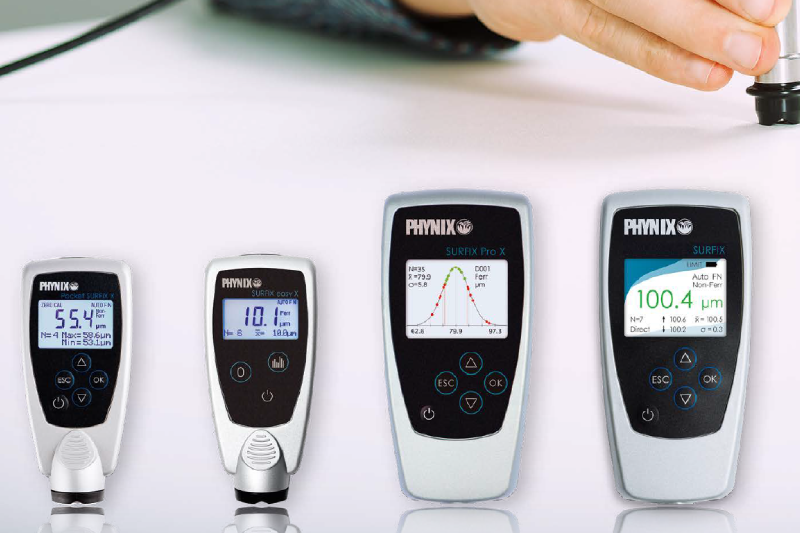
In industries where surface protection, durability, and quality control are critical, accurate coating measurement plays a vital role. Whether it is paint, powder coating, anodizing, or electroplating, maintaining the correct coating thickness ensures performance, compliance with standards, and long-term reliability. This is where a digital coating thickness Gauge becomes an essential metrology tool.
In this blog, we explain what a digital coating thickness Gauge is, how it works, its measurement principles, and why it is widely used across industries.
What Is a Digital Coating Thickness Gauge?
A digital coating thickness gauge, also known as a coating thickness gauge, is a non-destructive testing instrument used to measure the thickness of coatings applied on metal substrates. These coatings may include paint, varnish, enamel, powder coatings, chrome plating, zinc coating, or anodized layers.
Commonly referred to as a thickness gauge paint instrument or a DFT meter (Dry Film Thickness meter), this device provides quick, accurate, and repeatable measurements without damaging the coated surface.
Digital coating thickness gauges are widely used in quality inspection, production lines, maintenance checks, and compliance audits where precise coating control is mandatory.
Why Measuring Coating Thickness Is Important?
Correct coating thickness directly affects:
- Corrosion resistance
- Mechanical strength
- Adhesion performance
- Product aesthetics
- Compliance with ISO, ASTM, and industry standards
Under-coating can lead to premature corrosion or failure, while over-coating increases material cost and may cause cracking or peeling. Using a reliable coating thickness gauge ensures the coating stays within specified limits, reducing rework and material wastage.
Types of Digital Coating Thickness Measurement Methods
Digital coating thickness gauges work on different measurement principles depending on the substrate material and coating type. The most commonly used methods are:
1. Magnetic Induction Method (Ferrous Substrates)
This method is used when measuring non-magnetic coatings such as paint, enamel, or plastic applied on ferrous materials like steel or iron.
The DFT meter generates a magnetic field between the probe and the steel substrate. The strength of the magnetic field changes depending on the distance between the probe and the metal surface. This distance is directly proportional to the coating thickness.
Typical applications:
- Paint thickness on steel structures
- Powder coating on iron components
- Protective coatings on pipelines
2. Eddy Current Method (Non-Ferrous Substrates)
The eddy current principle is used to measure non-conductive coatings on non-ferrous metals such as aluminum, copper, brass, or stainless steel.
The probe generates high-frequency electrical currents (eddy currents) in the metal substrate. The presence of a coating alters these currents, and the meter calculates the coating thickness based on this variation.
Typical applications:
- Paint on aluminum panels
- Anodized coatings
- Insulating layers on non-ferrous metals
3. Ultrasonic Method (Advanced Applications)
Ultrasonic coating thickness gauges are used when measuring coatings on non-metallic substrates or multi-layer coatings.
This method sends ultrasonic waves through the coating. The time taken for the sound waves to reflect back from the substrate determines the coating thickness.
Typical applications:
- Coatings on plastic or composites
- Rubber layers
- Thick industrial coatings
How Does a Digital Coating Thickness Gauge Work?
The working method of a digital coating thickness gauge involves the following steps:
Step 1: Calibration
Before measurement, the coating thickness gauge is calibrated using standard foils or reference blocks. Proper calibration ensures high measurement accuracy and repeatability.
Step 2: Probe Placement
The probe is placed perpendicular to the coated surface. The device automatically detects the substrate type (ferrous or non-ferrous) in advanced models.
Step 3: Measurement
The meter applies the selected measurement principle (magnetic induction, eddy current, or ultrasonic) and instantly displays the coating thickness value on a digital screen.
Step 4: Data Storage and Analysis
Modern thickness gauge paint instruments offer data logging, statistics, Bluetooth connectivity, and USB data transfer for inspection reports and quality audits.
Key Features of a Digital Coating Thickness Gauge
A high-quality digital coating thickness gauge typically includes:
- High-resolution digital display
- Automatic substrate recognition
- Wide measurement range
- Single and continuous measurement modes
- Data memory and statistical functions
- Compact and ergonomic design
These features make the DFT meter suitable for both field inspections and laboratory use.
Applications of Digital Coating Thickness Gauges
Digital coating thickness gauges are widely used in:
- Automotive manufacturing and refinishing
- Aerospace component inspection
- Oil & gas pipelines
- Structural steel fabrication
- Powder coating and paint shops
- Shipbuilding and marine coatings
In all these sectors, accurate coating thickness measurement is critical for product quality, safety, and regulatory compliance.
Advantages of Using a Digital Coating Thickness Gauge
Using a digital coating thickness gauge offers several benefits:
- Non-destructive measurement
- Fast and accurate results
- Reduced material wastage
- Improved quality control
- Compliance with international standards
- Enhanced coating performance and durability
A digital coating thickness gauge is an indispensable tool in modern metrology and quality assurance. Whether referred to as a coating thickness gauge, thickness gauge paint, or DFT meter, its role remains the same—ensuring coatings meet required specifications while maintaining efficiency and cost control.
By understanding their working method and selecting the right measurement principle, industries can significantly improve coating quality, extend product life, and maintain high manufacturing standards.