


QS Metrology | Portable XRF Analyser | Portable XRF Spectrometer | Optical Emission spectrometer | XRD | Surface roughness Tester | roughness measuring machine | Portable Roughness Tester | Contour measuring machine | Contour Tester | Coordinate measuring machine | 3 D Coordinate measuring machine | Weld penetration inspection | Weld penetration measurement System | Stereomicroscope | Coating thickness tester | Video Measuring machine | Metallurgical Image analysis | Metallurgical microscope

admin

Understanding Weld Penetration - Why It Matters & How to Measure It Accurately for Industrial Weld Quality

Understanding Weld Penetration – Why It Matters & How to Measure It Accurately for Industrial Weld Quality

In every manufacturing or fabrication process, welding plays a crucial role in ensuring the strength and durability of a product. From automotive components to heavy machinery and aerospace parts, the quality of each weld determines the overall performance and safety of the structure. One of the most important parameters that define weld quality is penetration in welding — the depth to which the weld metal fuses into the base material. Understanding welding penetration and measuring it accurately are essential steps for ensuring consistent product reliability and compliance with industrial standards. What is Weld Penetration? Weld penetration in welding refers to the extent or depth to which molten weld metal fuses with the base metal or the preceding weld bead. This depth of fusion directly influences the joint’s mechanical strength and resistance to failure under load or stress. Types of Weld Penetration Full Penetration – The weld metal completely fuses through the joint thickness, forming a strong and continuous bond. This is typically used for load-bearing structures where joint integrity is critical. Partial Penetration – The weld metal fuses only partway into the base material. While suitable for certain applications, it may not provide adequate strength for highly stressed joints. Why Weld Penetration Matters The quality of penetration in welding determines the joint’s ability to bear stress, vibrations, and fatigue over time. Inadequate penetration can result in weak joints, cracks, or even catastrophic structural failures. On the other hand, excessive penetration can lead to burn-through and material distortion. Hence, maintaining optimal and consistent welding penetration is vital for achieving strong, reliable welds that meet design and safety requirements. Common Penetration-Related Defects and Their Root Causes Poor penetration in welding often leads to several quality issues. Common defects include – Insufficient Penetration – The weld metal fails to reach the root of the joint, resulting in poor fusion and low joint strength. Lack of Fusion – The base metals or previous weld layers do not properly melt together, creating weak spots in the weld. Incomplete Fusion – A portion of the joint remains unfused due to improper welding parameters or technique. Factors Affecting Welding Penetration Several process parameters influence weld penetration quality – Welding current and voltage Travel speed of the welding torch Joint preparation, such as root gap and bevel angle Heat input and material thickness Type of welding process (MIG, TIG, arc, laser, etc.) Operator skill and consistency In industries like automotive, aerospace, and foundries, these factors are critical. Even a minor deviation in welding penetration can compromise the structural integrity of components subjected to high mechanical stresses or thermal cycles. How to Measure and Inspect Weld Penetration? To ensure weld integrity, accurate measurement of penetration in welding is a vital part of the inspection process. There are both traditional and advanced methods used across industries. Traditional Destructive Methods Conventional methods involve cutting cross-sections of the weld joint, polishing, and etching them to visually analyze the depth of penetration under a microscope. This macro or micro evaluation helps determine the fusion depth and detect any internal flaws. While accurate, these methods are time-consuming, sample-destructive, and not suitable for in-line inspection. Advanced Imaging and Metrology Solutions Modern inspection technologies have made welding penetration measurement more efficient and non-destructive. Systems such as high-resolution digital microscopes and imaging-based metrology tools allow precise evaluation of weld profiles. These systems deliver accurate penetration depth data, measure throat thickness, leg length (in fillet welds), and analyze heat-affected zone geometry with minimal sample preparation. QS Metrology’s Imaging Solutions are designed to deliver superior accuracy and repeatability in weld analysis. Their advanced Weld Penetration Inspection Systems enable engineers to visualize, measure, and document weld characteristics easily, ensuring that every joint meets the desired specifications. Best Practices in Inspection For reliable results, it is important to – Prepare samples properly before imaging or etching. Maintain consistent magnification and lighting conditions. Use calibrated measurement software for precision. Ensure measurement repeatability by standardizing inspection procedures. Selecting the Right Inspection Solution for Weld Penetration Choosing the right system for penetration in welding inspection can make a significant difference in quality control and production efficiency. Key Features to Consider High-resolution imaging for detailed weld visualization. Automatic measurement and analysis functions for repeatability. User-friendly interface that integrates easily into QA workflows. Data traceability and reporting features for quality documentation. Real-World Applications Accurate weld penetration measurement benefits multiple sectors – Automotive Industry – Ensures the structural integrity of chassis and suspension parts. Heavy Fabrication – Prevents rework and rejects in large assemblies. Aerospace Components – Guarantees compliance with safety and performance standards. By implementing advanced inspection solutions, manufacturers can reduce errors, increase efficiency, and maintain consistent weld quality across production lines. Implementation & Best Practices For Plant and QA Engineers Define weld acceptance criteria based on design and industry standards. Regularly calibrate inspection equipment for accuracy. Maintain clear documentation and traceability of inspection results. Provide proper training to personnel handling inspection systems. Workflow Suggestions Integrate welding penetration measurement into routine QA checks. Track penetration trends over time to identify process variations. Correlate weld data with process parameters to improve consistency. Challenges and Mitigation Surface Finish – Proper polishing and cleaning improve measurement clarity. Complex Joint Geometry – Use adaptable imaging systems with variable magnification. Large Structures – Employ portable inspection systems for flexibility. Accurate penetration in welding is the foundation of durable, high-quality welds. Ensuring proper measurement and analysis not only enhances product performance but also minimizes rework, reduces downtime, and strengthens customer trust. Enhance your welding quality control with us

How Our Advanced Imaging Solutions Transform Industrial Quality Control

How Our Advanced Imaging Solutions Transform Industrial Quality Control?

In today’s competitive manufacturing environment, precision and reliability are everything. Industries like automotive, aerospace, and foundries depend heavily on accurate inspection systems to ensure every product meets the highest standards. Among these technologies, imaging solutions have become a cornerstone of modern quality control. Whether it’s analyzing welds, inspecting castings, or studying material coatings, imaging systems help manufacturers identify minute defects and guarantee consistency across production lines. QS Metrology, a trusted name in precision measurement technology, offers state-of-the-art imaging solutions that integrate seamlessly with modern metrology tools such as the CMM, CMM machine, and coordinate measuring machine systems. These combined technologies provide unmatched accuracy and insight, ensuring every component delivers on quality, durability, and performance. What Are Imaging Solutions? Imaging solutions refer to advanced optical systems designed to capture, magnify, and analyze the structure and surface details of materials or components. These systems typically include high-resolution microscopes, digital cameras, and image-analysis software that work together to reveal even the smallest imperfections invisible to the naked eye. In industrial applications, imaging systems are used for metallurgical studies, weld penetration inspection, surface defect analysis, coating thickness measurement, and material characterization. They transform traditional visual inspection into a digital, data-driven process that ensures objectivity and repeatability. When paired with a coordinate measuring machine or CMM machine, imaging solutions enhance dimensional inspection by adding visual and microscopic verification to the mechanical measurement process. This dual approach offers both geometrical precision and visual validation — key for industries where micro-level flaws can lead to macro-level failures. Why Imaging (Microscopy and Image Analysis) Matters in Manufacturing? In manufacturing and foundries, every stage of production demands precision. From raw material verification to final component inspection, accuracy directly influences performance, safety, and reliability. Traditional manual inspection methods often fall short in identifying micro-level defects or inconsistencies. Microscopy and image-analysis systems bridge this gap. They allow engineers and quality professionals to – Detect surface defects early – such as porosity, cracks, inclusions, or unwanted coatings. Analyze material structure – including grain size, phase distribution, and surface texture. Improve process control – by providing measurable data for continuous improvement. Ensure compliance – with industry standards and customer specifications. Use Cases of Imaging Solutions in Modern Manufacturing 1. Automotive Casting Inspection In automotive manufacturing, cast components such as engine blocks, transmission cases, and suspension parts must be flawless. Even the smallest casting defect can cause premature failure. Imaging solutions enable detailed inspection of the casting surface and internal grain structures. When combined with a coordinate measuring machine, manufacturers can cross-verify dimensional accuracy with structural integrity. This ensures every component meets tight tolerances required for safety and performance. 2. Weld Inspection and Analysis Welding is one of the most critical processes in industries such as automotive, railways, and heavy machinery. Imaging systems help evaluate weld penetration, porosity, and bonding quality with extreme accuracy. By capturing high-resolution images of weld cross-sections, inspectors can identify voids or cracks that could lead to structural weakness. Integrating imaging with CMM machines allows precise dimensional measurement of welded parts alongside visual verification of weld integrity. 3. Coating and Surface Analysis Protective coatings on metals and components prevent corrosion and improve durability. Imaging solutions make it possible to measure coating thickness and uniformity at a microscopic level. Using advanced imaging software, operators can analyze surface roughness, adhesion quality, and layer consistency. This data helps improve coating processes and ensures every part meets exact standards before leaving the production floor. 4. Failure Analysis and Research When a component fails unexpectedly, understanding the cause is vital to prevent recurrence. Imaging solutions assist in examining fracture surfaces, material fatigue, and microstructural changes that led to failure. Engineers can use the system to analyze the root cause and refine manufacturing processes. When used alongside a Zeiss CMM machine, imaging helps correlate dimensional defects with internal structural issues, providing a complete understanding of the failure. How QS Metrology’s Imaging Solutions Deliver Value? QS Metrology stands at the forefront of industrial inspection and quality control technologies. Their imaging solutions are designed for precision, reliability, and ease of use — supporting industries that demand uncompromising accuracy. Here’s how QS Metrology adds value – Comprehensive Imaging Systems – From metallurgical image analysis to stereo zoom microscopy, QS Metrology provides a complete range of imaging instruments for various industrial applications. Integrated Quality Control – Their systems can work alongside CMM, CMM machines, and coordinate measuring machines to provide a unified platform for visual and dimensional inspection. High-Resolution Optics and Software – QS Metrology’s imaging equipment uses advanced lenses and analytical software to deliver sharp, accurate images and precise measurements. Application-Specific Customization – Whether it’s for weld inspection, coating measurement, or casting analysis, the solutions are tailored to match the unique requirements of each industry. Reliable After-Sales Support – From installation and calibration to training and service, QS Metrology ensures smooth operation and consistent performance over the system’s lifetime. By combining imaging technology with coordinate measurement precision, QS Metrology empowers manufacturers to detect defects earlier, reduce rework, improve productivity, and ensure that every product meets the highest quality standards. As manufacturing evolves toward greater automation and precision, imaging solutions have become an indispensable tool for industrial quality control. By merging advanced microscopy with data-driven image analysis and integrating it with CMM machines and coordinate measuring machines, industries can achieve new levels of accuracy and reliability. Explore our advanced imaging solutions

Understanding the Working Principle of Coordinate Measuring Machines

Understanding the Working Principle of Coordinate Measuring Machines

In today’s era of precision manufacturing, accuracy and consistency are non-negotiable. Every component, whether used in automotive, aerospace, or medical industries, must meet exact dimensional standards. This is where a Coordinate Measuring Machine (CMM) becomes essential. A CMM machine is one of the most reliable and advanced tools in the field of metrology, ensuring that every part produced adheres to precise specifications. Let’s explore what a CMM is, how it works, and why it’s considered a cornerstone of modern quality inspection systems. What is a CMM Machine? A CMM (Coordinate Measuring Machine) is a precision instrument used to measure the geometry of physical objects. It determines the exact coordinates of points on a surface to create accurate dimensional data. This helps quality engineers verify if the manufactured part meets the design specifications from the CAD model. Main Components of a Coordinate Measuring Machine Every coordinate measuring machine is made up of several key components that work together to achieve precise measurements. Understanding these elements helps you better appreciate the sophistication of a CMM machine. Structure / Frame – The frame is the foundation of the CMM machine. It provides stability and rigidity during the measurement process. The frame design determines how the machine handles vibration, temperature variation, and external forces. Measuring Table – The measuring table is where the workpiece is placed. It’s usually made of granite due to its excellent stability, flatness, and resistance to wear and temperature changes. Probing System – The probe is the heart of a CMM. It physically touches or scans the part’s surface to collect coordinate data points. There are different types of probes — touch-trigger probes, scanning probes, and non-contact laser probes. Scale System – The CMM machine uses highly precise linear scales to measure the position of the probe along the X, Y, and Z axes. These scales convert the probe’s movement into digital coordinate values. Controller Unit – The controller processes the data from the scales and sends it to the software system. It manages the movement and operation of the CMM to ensure smooth, synchronized actions. Software Interface – The software in a coordinate measuring machine interprets measurement data, compares it with CAD models, and generates inspection reports. The software also allows users to set measurement routines and analyze geometric tolerances. Working Principle of a CMM Machine The working principle of a CMM machine is based on the concept of three-dimensional coordinate measurement. It measures the physical geometry of an object by detecting discrete points on its surface and converting them into digital data. Here’s how it works step by step – Workpiece Setup – The part to be inspected is placed on the CMM machine’s granite table. It’s securely clamped or positioned to prevent movement during measurement. Defining Reference Coordinates – The operator defines the part’s coordinate system by selecting reference points or datums. This creates a baseline for all subsequent measurements. Probing and Data Collection – The CMM probe moves along the X, Y, and Z axes to touch or scan specific points on the workpiece surface. Each contact point generates coordinate data that represents the geometry of that area. Data Processing – The collected data is processed by the software to calculate dimensions such as length, diameter, and position. The CMM machine compares these dimensions against the CAD model or design specifications. Analysis and Reporting – The coordinate measuring machine software analyzes the data, visualizes deviations, and creates an inspection report. This report indicates whether the part is within tolerance or requires adjustment.   This systematic process ensures that even the most complex geometries are measured with exceptional precision. Types of CMM Machines Different types of CMM machines are used based on the application and the size of components – Bridge Type CMM – The most common design used in workshops and labs for medium-sized components. Cantilever Type CMM – Ideal for small and precise parts where easy accessibility is needed. Gantry Type CMM – Used for large components like engine blocks or aerospace parts. Horizontal Arm CMM – Preferred for large sheet metal and body panels in automotive industries. Each type of coordinate measuring machine has unique advantages in terms of speed, accuracy, and working range. Leading models like the Zeiss CMM machine are engineered for maximum stability and high-resolution data output. Why CMM Machines Are Essential in Modern Manufacturing? In the competitive manufacturing environment, maintaining tight tolerances is crucial. A CMM plays a vital role in ensuring that every part meets design intent. Here’s why CMM machines are indispensable – High Accuracy and Repeatability –  A coordinate measuring machine can measure even the smallest deviations with micron-level accuracy. Time Efficiency – Compared to manual inspection, a CMM machine dramatically reduces measurement time. Consistency and Automation – Modern CMMs are integrated with automation systems, ensuring consistent results across large production batches. Error Detection and Quality Assurance – The CMM machine helps detect dimensional errors early, reducing rework and improving product quality. Integration with Digital Manufacturing – Advanced models like the Zeiss CMM machine can directly interface with CAD/CAM software for faster, smarter inspection workflows. Applications of CMM Machines The use of CMM machines extends across numerous industries – Automotive – Measuring engine blocks, gear components, and sheet metal assemblies. Aerospace – Inspecting turbine blades, fuselage components, and critical structures. Medical Devices – Verifying the dimensions of implants and precision tools. Tool and Die Making – Checking molds, dies, and complex profiles. A coordinate measuring machine ensures that every component, regardless of complexity, meets exact design standards. The coordinate measuring machine is more than just a piece of equipment — it’s the backbone of precision engineering. From ensuring dimensional accuracy to optimizing quality control processes, a CMM machine transforms how manufacturers achieve excellence. Whether using a bridge-type system or a high-end Zeiss CMM machine, the core principle remains the same – delivering reliable and repeatable measurement accuracy. Explore Our Advanced Contour Measurement Solutions

What is a Contour Measurement Machine A Complete Guide

What is a Contour Measurement Machine? A Complete Guide

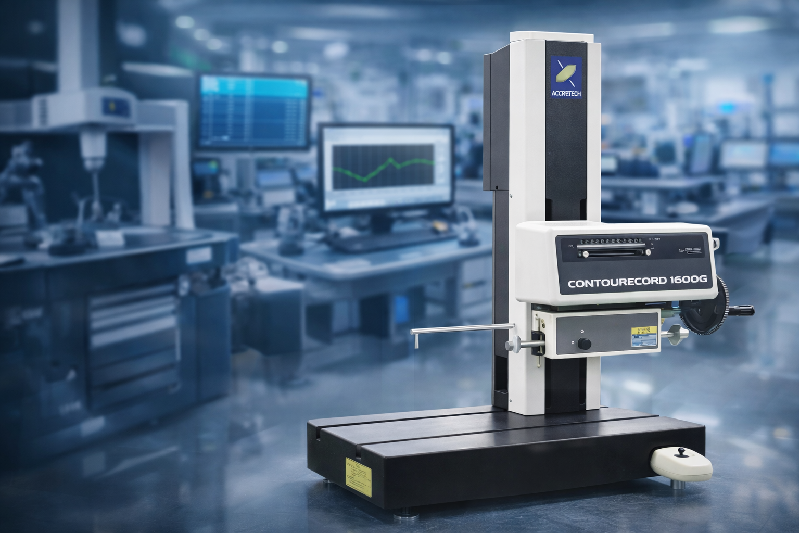
In modern manufacturing, where every micron matters, the shape and accuracy of a component’s surface profile can directly affect its performance, fit, and longevity. This is where a contour measurement machine becomes indispensable. From automotive parts to aerospace components, maintaining precision in contours and profiles ensures reliability and quality. This comprehensive guide explains what a contour machine is, how it works, and why it has become one of the most essential tools in the field of metrology and precision measurement equipment. What is a Contour Measurement Machine? A contour measurement machine, often called a contour measuring instrument or surface contour measurement system, is designed to measure and evaluate the profile or contour of a workpiece surface. In simple terms, it captures the shape of a component’s surface — including angles, radii, grooves, and curves — and compares it against design specifications. Unlike surface roughness testers that focus on micro-level texture, contour machines assess the macro geometry or form and contour measurement of parts. They help determine whether a component’s physical shape aligns with the intended design model, which is critical for assemblies requiring perfect fits. Working Principle of Contour Measurement Machines The working of a contour machine is based on stylus-based or optical scanning technology. The stylus tip traces the surface of the component along a defined path, capturing vertical (Z-axis) and horizontal (X-axis) displacements. These measurements are then converted into a contour profile using specialized software. Key steps in contour machining process – Component Placement – The part is mounted securely on the measuring table using fixtures to prevent vibration or displacement during measurement. Stylus Movement – A fine stylus or probe moves along the surface. Any variation in the surface height is detected as displacement, which is recorded digitally. Data Acquisition – The system collects continuous data points corresponding to the surface profile. In advanced machines, this data is captured at extremely high resolution. Profile Analysis – The software reconstructs the contour and compares it to CAD or reference data. Engineers can analyze dimensions such as radius, angle, depth, and slope. Reporting – A detailed inspection report is generated showing deviations from the nominal profile, enabling corrective actions in machining or design. Types of Contour Measurement Systems There are several types of surface contour measurement systems used in industrial metrology – Stylus-based Contour Machines – The most common and cost-effective, ideal for mechanical contact measurement with high accuracy. Optical or Non-Contact Systems – Use lasers or white-light interferometry for non-contact measurement, suitable for delicate or soft surfaces. Hybrid Systems – Combine contour and roughness measurement in one unit, offering dual functionality for comprehensive surface inspection. Applications in Modern Manufacturing Contour measurement plays a critical role in various industries where dimensional accuracy defines product performance. Automotive Industry – Contour machines are used to inspect engine components, camshafts, crankshafts, gears, and seals. Accurate form and contour measurement ensures smoother operations and longer life of mechanical parts. Aerospace and Defense – In aircraft manufacturing, even a minor deviation in contour can lead to aerodynamic inefficiency. Contour measurement in metrology helps maintain strict tolerance levels in turbine blades, fuselage structures, and precision fittings. Tool and Die Industry – Die and mould manufacturing demands flawless profiles. Contour machining verifies tool geometry to ensure perfect replication during production. Medical and Surgical Equipment – Medical implants and surgical tools require ultra-precise profiles for safety and performance. A contour measuring instrument ensures these parts meet international quality standards. Electronics and Micro-Components – Miniaturized components in electronics rely on precision measurement equipment to maintain accuracy in contours that impact electrical connectivity and assembly. Advantages of Using Contour Measurement Machines High Precision and Repeatability – Delivers sub-micron accuracy in profile measurement. Time-Efficient Inspection – Automated scanning reduces inspection time compared to manual measurement methods. Data Traceability – Digital records allow easy traceability and documentation for audits. Improved Product Quality – Ensures every part meets design intent, minimizing rework and rejections. Integration with Smart Manufacturing – Modern systems support data connectivity for real-time quality monitoring. Why Quality Engineers Rely on Contour Machines? Quality engineers use contour machines not only to check product conformance but also to identify process inefficiencies. By studying the contour profile, they can detect tool wear, thermal distortion, or improper machining parameters early in the production line. This leads to preventive corrections and improved consistency across batches. Additionally, the adoption of contour machining data in design validation bridges the gap between R&D and production. Engineers can compare prototype data with design files to ensure manufacturability and compliance with standards. Maintenance and Calibration Tips To achieve consistent results, periodic calibration of the contour measurement machine is essential. Regular cleaning of the stylus tip, alignment verification, and environmental control (temperature, vibration) help maintain system accuracy. Using certified reference standards further strengthens reliability in inspection results. Future Trends in Contour Measurement The evolution of form and contour measurement is heading toward automation and non-contact solutions. Artificial intelligence and machine learning are being incorporated to analyze complex profiles faster. As manufacturing precision tightens, the demand for integrated surface contour measurement systems will continue to grow across industries. A contour measurement machine is more than just an inspection tool—it’s a cornerstone of precision engineering. Whether it’s improving part accuracy, ensuring functional fit, or validating manufacturing processes, contour measuring instruments provide engineers with the insight needed to deliver perfection. For industries that prioritize precision, adopting advanced contour machines and contour machining practices ensures long-term quality, reliability, and competitive advantage. Explore Our Advanced Contour Measurement Solutions

Surface Roughness Measurement and Its Industrial Applications

Surface Roughness Measurement and Its Industrial Applications

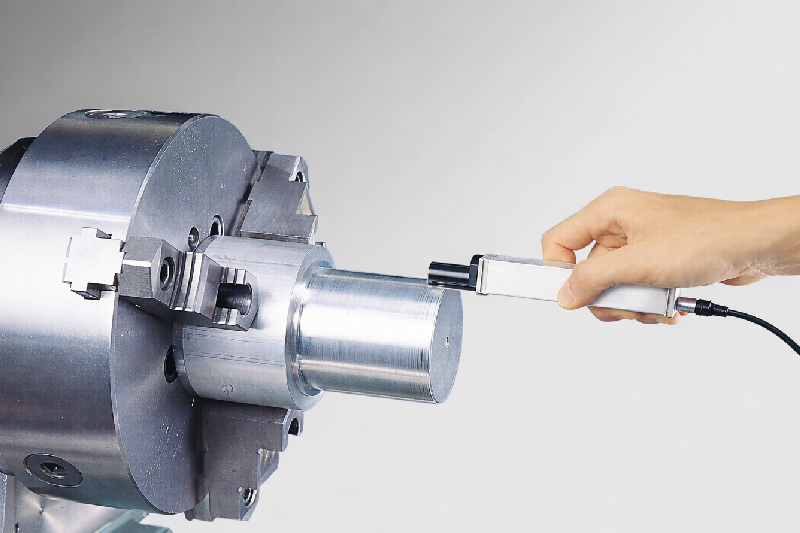
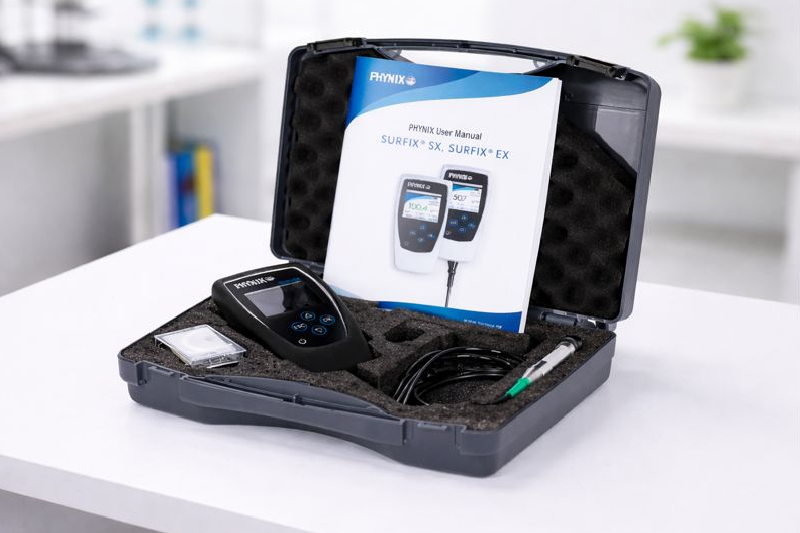
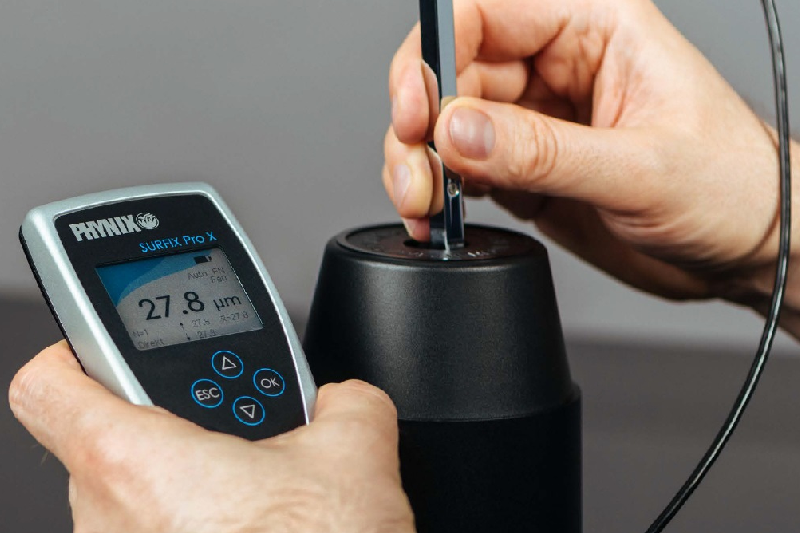
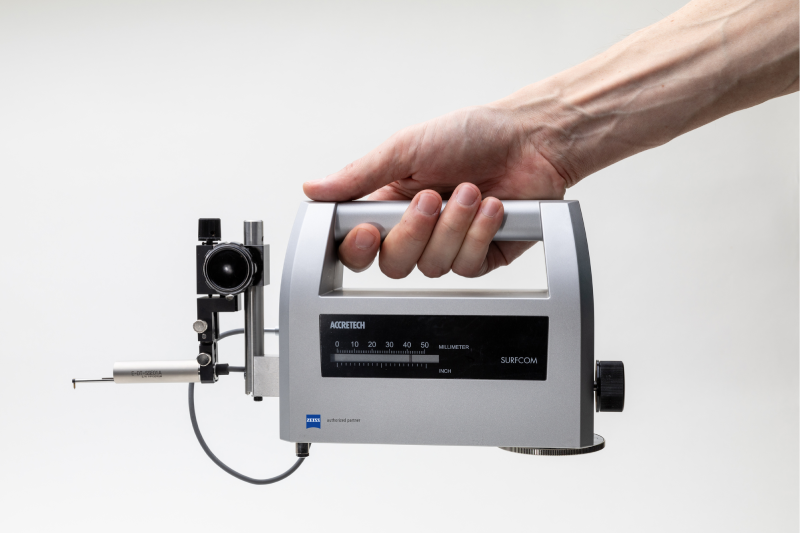
Understanding Surface Roughness Measurement Surface roughness measurement plays a crucial role in quality control and precision engineering. It helps determine the texture and irregularities of a material’s surface, which directly influence its performance, appearance, and wear resistance. A surface roughness measurement process allows industries to ensure components meet design and functional requirements with high accuracy. The Ra tester (Roughness Average tester) is widely used for this purpose. It helps in evaluating the micro-irregularities formed during manufacturing processes such as machining, grinding, or polishing. Difference Between Surface Roughness, Waviness, and Form While all three terms describe aspects of surface texture, they differ in scale and cause: Surface Roughness: Refers to fine irregularities created by the cutting tool or abrasive particles during manufacturing. It defines how smooth or rough a surface feels. Waviness: Represents larger surface deviations that occur due to vibration, deflection, or machine imbalance. Form: Describes the overall shape or contour of the surface, ignoring small-scale variations. How Surface Roughness Measurement Works Surface irregularities are often too small to be visible to the naked eye. A surface roughness measurement instrument or Ra tester is used to detect and quantify them. A stylus tip of the tester moves across the surface at a constant speed. The vertical movements of the stylus are recorded as electrical signals, which are then converted into graphical and numerical data. These readings help analyze the surface texture, identify machining defects, and ensure product consistency. High-precision surface roughness testers are designed to measure even the finest variations with accuracy, offering repeatable results ideal for industrial applications. Common Surface Roughness Parameters To evaluate surface quality, several parameters are used. These parameters describe the vertical and horizontal features of a surface profile. Ra (Roughness Average): The most widely used parameter, representing the average deviation from the mean line. Rv: The maximum depth of a profile valley within the sampling length. Rp: The maximum height of a profile peak within the sampling length. Rt: The total height between the highest peak and deepest valley. Rz: The average difference between five highest peaks and five lowest valleys in the profile. Among these, Ra surface roughness measurement is the global standard and a key indicator for quality control. Applications of Surface Roughness Measurement Surface roughness measurement is vital across multiple industries including automotive, aerospace, precision manufacturing, and medical device production. Some key applications include: Friction and Wear Analysis: Determines how surfaces interact under movement or load. Lubrication Studies: Ensures surfaces retain oil or fluid within micro valleys for proper lubrication. Sealing Efficiency: Helps achieve optimal sealing between two contact surfaces without excessive wear. Coating and Painting: Ensures the surface texture allows proper adhesion of paints or coatings. Tool and Process Monitoring: Identifies tool wear, improper feeds, or speed errors during machining. While smoother surfaces are often desired, an optimal surface finish depends on the function. For example, certain roughness levels are beneficial for oil retention in engine parts. Importance of Using Ra Tester in Quality Control The Ra tester is an essential tool in precision industries. It provides accurate, repeatable, and quick measurements of surface roughness, enabling manufacturers to maintain consistent quality. Regular use of a surface roughness measurement tester helps detect machining errors early, reduces production costs, and ensures that finished components meet performance expectations. Surface roughness directly affects product performance, longevity, and customer satisfaction. Accurate surface roughness measurement using an advanced Ra tester ensures every part meets the highest industrial standards. Whether for evaluating wear, ensuring proper lubrication, or maintaining a high-quality finish, surface texture analysis is indispensable in modern manufacturing. Explore Our Portable Surface Roughness Tester

What is X Ray Fluorescence and How Does It Work?

What is X Ray Fluorescence and How Does It Work?

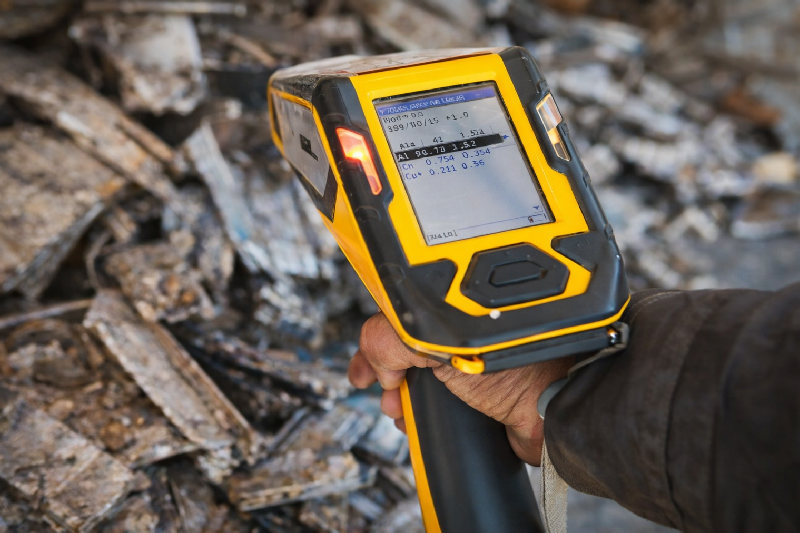
X Ray Fluorescence (XRF) is a reliable and non-destructive method used to find out what elements are present in a material. It is widely used in laboratories, manufacturing units, recycling plants, and mining sites to check the chemical composition of metals, minerals, plastics, and coatings. This simple yet powerful technology helps industries ensure material accuracy and maintain consistent quality standards. 1. What is X Ray Fluorescence? X Ray Fluorescence is an analytical process that identifies and measures the elements present in a sample. When high-energy X-rays strike the atoms in the material, those atoms emit fluorescent X-rays with unique energy levels. By detecting and measuring these emitted rays, an X Ray Fluorescence analyzer determines both the type and amount of each element in the sample. 2. How X Ray Fluorescence Works The X Ray Fluorescence process is straightforward –  The sample is exposed to primary X-rays. The X-rays knock out electrons from inner atomic shells. Outer electrons fall into the empty spots, releasing energy as fluorescent X-rays. The analyzer measures this energy and identifies the elements inside the sample. This quick process gives instant and accurate results without altering or damaging the material. 3. X Ray Fluorescence Spectrum Explained Each element gives off distinct X-ray energy peaks. The peak energy identifies which element is present. The peak height or intensity indicates how much of it exists. The X Ray Fluorescence spectrum, displayed as a graph, provides a visual and detailed analysis of a material’s composition — essential for quality control and verification. 4. Industrial Applications of X Ray Fluorescence X Ray Fluorescence technology is used across various industries for rapid and precise testing –  Oil & Gas – For Positive Material Identification (PMI) of pipes and valves. Metal Fabrication – Ensures correct alloys are used in production. Aerospace & Automotive – Checks coated and metallic parts for safety compliance. Recycling – Sorts metals and alloys efficiently for reprocessing. Mining – Helps identify valuable mineral deposits directly at the site. Construction – Assists in environmental soil testing and site inspections. 5. Benefits of X Ray Fluorescence Technology Non-destructive testing method Delivers results within seconds Works with solids, liquids, and powders Minimal or no sample preparation required Detects multiple elements at once Portable models for field analysis Reduces laboratory testing costs These advantages make X Ray Fluorescence one of the most practical and cost-effective tools for elemental analysis. 6. Portable X Ray Fluorescence Analyzers Modern portable X Ray Fluorescence analyzers are compact, durable, and easy to use. They bring laboratory accuracy directly to the field. Operators can test materials instantly, make faster decisions, and maintain efficiency without waiting for lab results. Portable X Ray Fluorescence analyzers are ideal for industries that need on-site inspection, quick alloy verification, and instant results. 7. Safety in X Ray Fluorescence Testing While X Ray Fluorescence involves radiation, it is extremely safe when used correctly. The analyzer emits a focused X-ray beam only during measurement, and exposure is minimal. Safety Practices –  Complete X-ray safety training. Never aim the device at people. Do not hold samples during testing. Observe the beam indicator light. Store the analyzer properly. Report any issue to your safety officer. 8. Accuracy and Calibration in X Ray Fluorescence The accuracy of X Ray Fluorescence depends on proper calibration and maintenance. Regular calibration ensures consistent results across different materials and environments. High-quality analyzers are factory-calibrated and can also be customized for specific material groups to achieve precise readings. 9. Environmental and Sustainable Use of X Ray Fluorescence X Ray Fluorescence plays an important role in environmental studies and sustainability projects. It helps identify hazardous elements, monitor soil contamination, and analyze pollutant levels in industrial waste. By using X Ray Fluorescence, organizations can follow environmental standards and reduce the risk of harmful material exposure. 10. The Future of X Ray Fluorescence With advancements in technology, X Ray Fluorescence devices are becoming smarter and faster. New models include touchscreen controls, wireless data transfer, and cloud-based reporting. These innovations make X Ray Fluorescence even more essential for industries that depend on accuracy, traceability, and efficiency in material testing. In conclusion, X Ray Fluorescence has changed the way industries identify and analyze materials. Its non-destructive nature, fast performance, and high accuracy make it an essential part of quality control and process verification. From metals and minerals to coatings and composites, X Ray Fluorescence offers reliable results every time. Explore Our Portable XRF Analyzers

What is a PMI Machine Working, Importance, and Industrial Role of Positive Material Identification

What is a PMI Machine? Working, Importance, and Industrial Role of Positive Material Identification

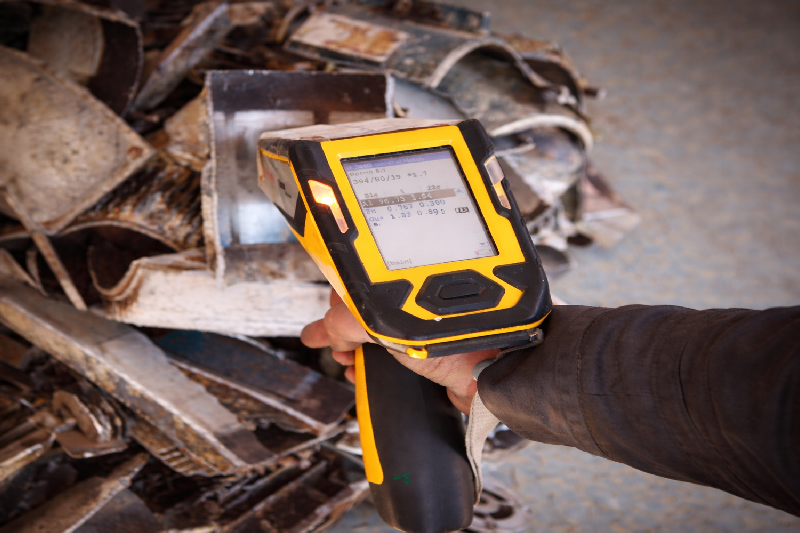
In modern industries where precision, safety, and compliance are essential, Positive Material Identification (PMI) plays a critical role. The PMI machine is a fast and non-destructive testing (NDT) tool used to verify the chemical composition of metals and alloys. This process ensures that the materials used in manufacturing meet the required specifications and standards. Using advanced technologies like handheld X-ray fluorescence (XRF), Positive Material Identification provides reliable results on-site, in laboratories, or directly on the production floor. What is Positive Material Identification (PMI)? Positive Material Identification (PMI) is an advanced non-destructive testing technique that determines the exact chemical composition of metallic materials. The PMI machine identifies key alloying elements and verifies whether the metal meets required standards for corrosion resistance, strength, and durability. PMI testing is essential in industries such as oil and gas, power generation, chemical processing, pharmaceuticals, aerospace, nuclear, and metal fabrication. It ensures that supplied materials conform to the correct specifications before being used in production or during maintenance checks. The PMI machine can be used for both pre-service inspection of raw materials and post-service analysis of finished or in-service components. From large industrial parts to tiny welds and fasteners, Positive Material Identification ensures that every material used is accurate, safe, and reliable. How the PMI Machine Works The most common method of Positive Material Identification uses handheld X-ray fluorescence (XRF) technology. This PMI machine works by emitting X-rays onto the surface of the material, which excites its atoms and produces a unique fluorescent signal. This signal is analyzed by the instrument’s software to determine the elemental composition and alloy grade. Because the PMI machine is portable and easy to operate, it can be used in various environments—whether on the factory floor, construction site, or laboratory. The process is quick, cost-effective, and entirely non-destructive, making Positive Material Identification a preferred choice for quality control teams worldwide. Importance of Positive Material Identification One of the primary causes of industrial failure is the use of incorrect materials. When the wrong metal or alloy is used, it can lead to mechanical failures, corrosion, or system breakdowns. The PMI machine helps eliminate such risks by confirming material accuracy before use. Positive Material Identification plays a vital role in: Ensuring the correct alloy grade is used in critical parts and welds Verifying that materials meet international standards and safety codes Preventing mix-ups between similar-looking metals Supporting failure analysis investigations Ensuring regulatory compliance and reducing liability risks In industries like oil and gas or power generation, even a small material error can lead to catastrophic results. Regular testing with a PMI machine ensures reliability, safety, and continuous production without costly shutdowns. Recommended Practices and Standards for PMI To maintain consistency and accuracy, Positive Material Identification follows several international standards and guidelines. The American Petroleum Institute (API RP 578) provides a recommended practice for verifying alloy piping systems and components in both new and existing installations. Similarly, ASTM E1476 – the Standard Guide for Metals Identification, Grade Verification, and Sorting – outlines proper methods and procedures for using a PMI machine. These standards ensure that Positive Material Identification is performed accurately and in compliance with industry best practices. Applications of Positive Material Identification The PMI machine and Positive Material Identification are widely used across industries for multiple purposes, including: Verifying that products and components are made from the correct alloy Detecting mixed-up materials and preventing contamination Confirming welds are made with the right filler material Conducting failure analysis to determine the root cause of breakdowns Ensuring compliance with safety and government regulations Documenting material verification for traceability and quality assurance With these capabilities, the PMI machine has become an integral part of modern quality management systems. Automation in Positive Material Identification The automation of Positive Material Identification and non-destructive testing (NDT) is transforming the alloy production industry. Automated PMI machines can be integrated directly into production lines for continuous quality checks during material processing. Advanced systems like the Bruker XMS are designed for automated industrial use. These PMI machines integrate seamlessly into manufacturing and inspection systems through industrial connectors and protocols. Automated Positive Material Identification improves efficiency, reduces human error, and ensures that every batch of alloy meets stringent quality standards. The PMI machine and Positive Material Identification method are indispensable for ensuring safety, compliance, and quality in metal manufacturing and processing industries. With its fast, accurate, and non-destructive testing capabilities, Positive Material Identification prevents costly failures and ensures that every material used is verified and certified. As technology continues to evolve, automated PMI machines are setting new standards in material verification—offering precision, reliability, and efficiency for industries that can’t afford to compromise on quality. Learn More About Our PMI Machines

What is a VMM Working, Importance & Role of VMM

What is a VMM? Working, Importance & Role of VMM

A Video Measuring Machine (VMM), also known as a Vision Measurement Machine, is an advanced non-contact measuring system used for capturing precise dimensions, contours, and features of components. The VMM machine utilizes high-resolution cameras, precision optics, and intelligent software to analyze captured images and extract accurate measurement data. The video measuring machine is essential for industries that demand accuracy, repeatability, and high-speed inspection. Importance of Video Measuring Machine Video Measuring Machine forms the foundation of modern quality control and dimensional inspection. The video measuring machine ensures consistent, repeatable, and accurate results while improving productivity. Since the vmm measuring machine performs non-contact measurement, it eliminates the risk of damaging delicate or soft materials. This makes it ideal for industries like automotive, aerospace, medical device manufacturing, and electronics. Types of Video Measuring Machines The video measuring machine is available in several types, depending on application and automation level: Standalone Video Measuring Machines These VMM machines are independent units equipped with precision optics, motorized stages, and advanced software for dimensional inspection. They are widely used in quality control laboratories and production environments. Integrated Video Measurement Systems Designed for real-time inspection, these vision measurement machines are built directly into production lines. They provide instant feedback during manufacturing, ensuring consistent quality and reducing process errors. Portable Video Measuring Devices Compact and easy to handle, portable VMMs allow on-site measurement and inspection. Engineers use these devices for quick assessments and field applications. Multi-Sensor Video Measuring Machines These advanced systems combine video, laser, and probe-based measurement technologies. The vmm measuring machine offers flexibility and comprehensive inspection capabilities for complex geometries. Automated Robotic Video Measuring Systems Fully automated robotic video measuring machines operate in high-volume environments. These systems perform continuous, repeatable, and accurate inspections, reducing labor costs and improving production efficiency. Main Components of a Video Measuring Machine A video measuring machine (VMM) is made up of high-precision components that work together to ensure accuracy and consistency: High-Resolution Cameras – Capture detailed images for accurate measurement. Precision Optics and Lenses – Magnify and focus images with minimal distortion. Motorized Stages – Control the X, Y, and Z movement for precise positioning. Illumination Systems – Provide uniform lighting to improve contrast and visibility. Measurement Software – Advanced image-processing algorithms extract dimensions and analyze geometry. Touch or Laser Probes (Optional) – Combine contact and non-contact measurement for flexibility. User Interface and Control System – Allows operators to set parameters and monitor results. Calibration Standards – Maintain accuracy and traceability of the vmm machine over time. These components together form the core of the vision measurement machine, ensuring exceptional measurement accuracy across diverse applications. Functions of a Video Measuring Machine The video measuring machine performs multiple inspection and analysis functions such as: Image Capture – Uses cameras to record high-resolution images for evaluation. Dimensional Measurement – Calculates precise dimensions, lengths, diameters, and depths. Geometric Analysis – Determines geometric shapes, radii, and angles. Surface Inspection – Evaluates surface textures, defects, and irregularities. Feature Recognition – Identifies holes, edges, and patterns for automated measurement. These functions enable the vmm measuring machine to provide consistent, high-precision results vital for maintaining product standards. Advantages of Video Measuring Machines The video measuring machine delivers several benefits to modern manufacturing and inspection systems: High Accuracy and Repeatability – Ensures precise measurement with minimal error. Non-Contact Measurement – Ideal for soft, fragile, or delicate parts. Faster Inspection Process – Reduces manual labor and saves production time. Versatile Applications – Measures both simple and complex geometries. Automated Analysis – Enhances productivity and reduces human error. For manufacturers focusing on quality and process efficiency, the VMM machine is an indispensable asset. Working Principle of Video Measuring Machines The VMM machine works by capturing the image of a component under controlled lighting conditions. The vision measurement machine software then analyzes these images, applying algorithms to extract dimensions and geometric information. The vmm measuring machine allows users to view real-time results through a user-friendly interface. Regular calibration ensures long-term measurement accuracy. This process enables industries to maintain strict quality standards and optimize production efficiency. Industrial Role of Video Measuring Machines The video measuring machine plays a vital role across multiple industries: Manufacturing Industry – Ensures components meet dimensional and tolerance specifications. Aerospace and Defense – Measures critical components such as turbine blades and engine parts. Automotive Industry – Used for inspecting engine, transmission, and chassis components. Medical Device Manufacturing – Measures implants, prosthetics, and surgical instruments with precision. Electronics and Semiconductor Industry – Inspects microchips, circuit boards, and connectors for defects. Each vmm machine contributes to improved product reliability, enhanced safety, and consistent performance. The video measuring machine (VMM) represents a major advancement in precision metrology. By combining video technology, advanced optics, and intelligent software, the vmm measuring machine delivers unmatched accuracy and efficiency across multiple industries. As technology evolves, the vision measurement machine continues to drive innovation, streamline inspection processes, and ensure superior quality control. Explore Advanced Video Measuring Machines

What is a Coating Thickness Gauge Complete Guide to DFT Meters and Thickness Gauges

What is a Coating Thickness Gauge? Complete Guide to DFT Meters and Thickness Gauges

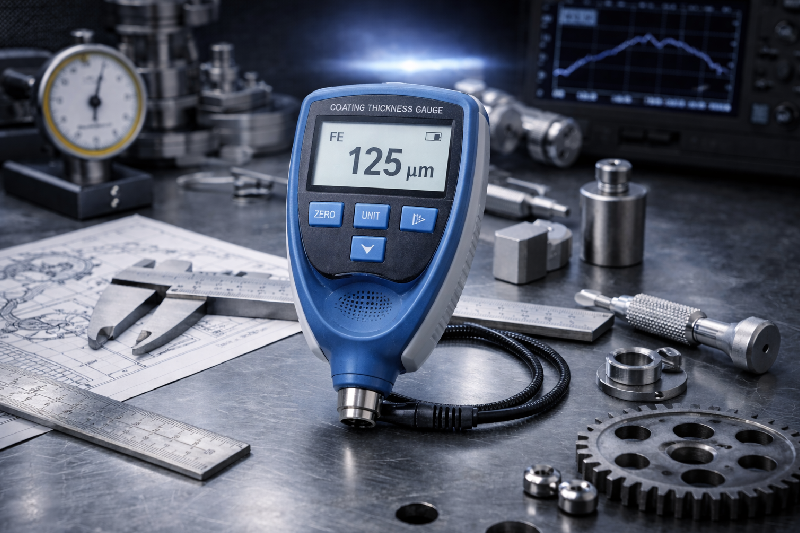
A coating thickness gauge is a precision instrument used to measure the thickness of coatings applied to different surfaces. Also called a coat thickness gauge or DFT meter, it is essential in industries like automotive, aerospace, manufacturing, construction, and marine to ensure quality, durability, and compliance of coatings. Using a thickness gauge accurately measures DFT paint layers on metals, plastics, and other substrates. Why Use a Coating Thickness Gauge? Using a coating thickness gauge is vital for – Quality Control – Ensures the applied coating meets the required specifications. Corrosion Protection – Correct DFT prevents rust and corrosion on metal surfaces. Cost Efficiency – Avoids over-application or under-application of paint or coatings. Compliance – Meets industry standards for DFT paint and protective coatings. A reliable coat thickness gauge provides fast, accurate, and repeatable results, making it indispensable for professionals working with industrial coatings. Types of Coating Thickness Gauges There are several types of thickness gauges and DFT meters, each with its specific applications – Digital Coating Thickness Gauges Digital DFT meters give precise, non-destructive measurements of DFT paint layers. They are easy to use, store multiple readings, and provide statistical analysis for quality assurance. Coating thickness gauges like these are suitable for both fieldwork and laboratory use. Mechanical Coating Thickness Gauges Mechanical coat thickness gauges are simple, reliable, and do not require batteries or electronics. They are ideal for basic applications or environments where digital devices are unsuitable. Destructive Coating Thickness Gauges Some thickness gauges measure coatings by removing a small part of the coating. These DFT meters are especially useful for multi-layer coatings or non-metallic substrates. How Coating Thickness Gauges Work A coating thickness gauge works on various measurement principles depending on the substrate – Electromagnetic Induction – Measures coatings on ferrous metals. Eddy Current – Measures coatings on non-ferrous metals and non-conductive surfaces. By using a DFT meter or thickness gauge, inspectors can obtain accurate DFT paint readings without damaging the surface. Key Features to Consider in a Coating Thickness Gauge When selecting a coating thickness gauge, consider – Substrate Compatibility – Ferrous or non-ferrous. Measurement Range – Maximum and minimum DFT paint thickness measurable. Accuracy – Precision is critical for coating thickness gauges. Data Storage & Analysis – Some DFT meters store thousands of readings. Portability – Handheld coat thickness gauges are ideal for field inspections.   Applications of Coating Thickness Gauges Coating thickness gauges and DFT meters are used in multiple industries – Automotive Industry – Measuring paint layers on vehicles for quality control. Construction – Checking protective coatings on steel and concrete. Aerospace – Ensuring coatings meet strict DFT paint standards. Manufacturing – Verifying coating thickness in industrial processes. Marine Industry – Monitoring anti-corrosion coatings on ships and structures. Benefits of Using a DFT Meter or Thickness Gauge Ensures coating thickness meets manufacturer specifications. Prevents premature corrosion by accurate DFT paint measurement. Reduces material wastage by avoiding over-application of coatings. Improves compliance with industrial standards using a coating thickness gauge. Enables fast, non-destructive testing of coated surfaces. A coating thickness gauge, also known as a coat thickness gauge or DFT meter, is an essential tool for measuring DFT paint accurately. Whether in automotive, aerospace, manufacturing, or construction, using a thickness gauge ensures quality, durability, and regulatory compliance. Selecting the right coating thickness gauge improves inspection efficiency and protects investments in coated surfaces. Investing in a reliable DFT meter or coat thickness gauge guarantees precise measurement of coating thickness, making it a must-have tool for professionals across industries. Explore Our Coating Thickness Gauges

What is a CMM Machine, and its Applications?

What is a CMM Machine, and its Applications?

What Is a CMM Machine? A CMM (Coordinate Measuring Machine) machine is a high-precision device used 3D inspection of parts. Using a cmm machine, engineers can ensure that each part meets design specifications. The CMM has become essential in industries like automotive, aerospace, and medical devices due to its unmatched precision and repeatability. Types of CMM Machines There are several types of cmm machines depending on design and application – 1. Bridge CMM Machine The most common cmm, where the probe moves over a stable bridge structure. Ideal for small to medium parts. 2. Cantilever CMM A cmm machine supported on one side for easy part access. Suitable for moderate accuracy requirements. 3. Gantry CMM Machine Large coordinate measuring machines for inspecting very large components, common in aerospace and shipbuilding. 4. Horizontal Arm CMM A flexible cmm machine used for measuring assemblies with complex geometries. 5. Portable / Articulated Arm CMM A portable coordinate measuring machine for on-site inspections, offering flexibility with moderate accuracy. Types of Probes in a CMM Touch-trigger probes in a cmm machine record points when touching the surface. Scanning probes allow the cmm to capture continuous surfaces. Optical and laser probes in a coordinate measuring machine capture 3D data without contact. Hybrid probes combine contact and non-contact methods for versatile inspections on a cmm machine. Uses of a CMM Machine A CMM is widely used for – Quality control and inspection – Ensuring parts meet design tolerances using a cmm. First Article Inspection – Validating the first part of a production run with a cmm machine. Reverse engineering – Measuring existing parts to recreate CAD models with a coordinate measuring machine. Tooling and mold validation – Checking molds with a cmm before production. Assembly verification – Using a cmm machine to ensure parts fit correctly. Process optimization – Feedback from a coordinate measuring machine helps improve manufacturing processes. Advantages of a CMM High Precision – A cmm measures parts with micrometer-level accuracy. Automation – A cmm machine can run repeated measurements without human error. Versatility – The coordinate measuring machine can handle simple and complex geometries. Data Traceability – Measurements from a cmm machine are documented for reports and compliance. Reduced Errors – Using a cmm, human measurement mistakes are minimized. Limitations of a CMM Cost – A cmm machine is a significant investment. Environmental Sensitivity – Temperature and vibration can affect a coordinate measuring machine. Speed – Some cmm machines are slower than modern scanning systems. Skill Requirement – Operating a cmm requires trained personnel. A cmm machine, or coordinate measuring machine, is an indispensable tool in modern manufacturing. From precision measurement to quality control, a cmm ensures every part meets design standards. Using a coordinate measuring machine improves efficiency, reduces errors, and guarantees high-quality production in automotive, aerospace, medical, and industrial applications. Explore Our CMM Machines

Scroll to Top