


Every load of scrap metal has value—but only if you know exactly what’s in it.
Imagine purchasing a mixed batch of metal that looks like stainless steel, only to discover later that it’s a lower-grade alloy. One wrong identification can lead to financial losses, unhappy customers, and wasted processing time. That’s why modern scrap recycling facilities are turning to XRF analyzers for fast, accurate, and non-destructive metal identification.
Whether you manage a busy scrap yard, oversee quality control, or operate a large recycling plant, investing in handheld XRF analyzers can dramatically improve sorting accuracy, maximize profits, and streamline operations. In this blog, we’ll explore how these advanced instruments are transforming the scrap recycling industry and why they’re becoming an essential tool for every metal recycler.
Table of Contents
- What Are XRF Analyzers?
- Why Are XRF Analyzers Important in Scrap Recycling?
- How Do Handheld XRF Analyzers Work?
- Which Metals Can Be Identified Using an XRF Analyzer?
- What Are the Benefits of Using Portable XRF Analyzers?
- How Can XRF Technology Improve Scrap Yard Profitability?
- What Should You Look for When Buying an XRF Analyzer?
- Conclusion
- Frequently Asked Questions
What Are XRF Analyzers?
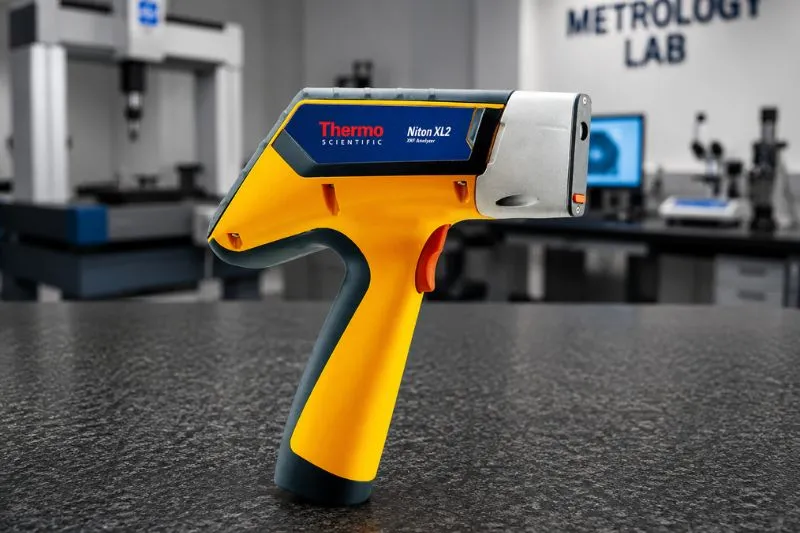
XRF analyzers (X-Ray Fluorescence analyzers) are portable instruments used to identify the chemical composition of metals and alloys within seconds.
Instead of relying on visual inspection or spark testing, these devices use X-ray fluorescence technology to determine the exact elements present in a material without damaging it.
Modern handheld XRF analyzers provide instant, reliable results, making them one of the most valuable tools for scrap recycling, metal processing, foundries, and quality control applications.
Why Are XRF Analyzers Essential for Scrap Recycling?
The scrap recycling industry handles thousands of tons of metal every year. Many alloys look nearly identical, making manual identification difficult and risky.
Using an XRF analyzer eliminates guesswork by providing precise alloy verification before buying, sorting, or selling scrap.
Key advantages include:
- Accurate alloy identification
- Faster sorting of mixed metals
- Reduced material contamination
- Better purchase decisions
- Higher resale value
- Improved customer confidence
- Increased operational efficiency
For recyclers, every correct identification means better profitability.
How Do Handheld XRF Analyzers Work?
A handheld XRF analyzer emits low-energy X-rays onto the metal surface. These X-rays excite the atoms inside the material, causing them to emit fluorescent energy unique to each element.
The analyzer measures this energy and instantly displays the material’s chemical composition on its screen.
Within just a few seconds, operators can identify:
- Stainless steel grades
- Nickel alloys
- Copper alloys
- Aluminum grades
- Titanium
- Brass
- Bronze
- Cobalt alloys
- Tool steels
- Exotic metals
This rapid analysis allows recycling teams to make informed decisions without waiting for laboratory testing.
What Metals Can a Portable XRF Spectrometer Identify?
One of the biggest strengths of a portable XRF spectrometer is its ability to analyze a wide variety of metals.
Common applications include:
Stainless Steel Sorting
Different stainless steel grades often appear identical but vary significantly in value.
Aluminum Alloy Identification
Separate cast aluminum, wrought aluminum, and specialty alloys with confidence.
Copper and Brass Verification
Quickly distinguish between copper, brass, bronze, and other copper-based alloys.
Nickel Alloy Analysis
Identify valuable nickel-containing materials used in aerospace, chemical processing, and energy industries.
High-Value Specialty Metals
Analyze titanium, cobalt, molybdenum, chromium, and other premium metals that require accurate identification.
This level of precision helps recyclers recover maximum value from every shipment.
How Do Portable XRF Analyzers Improve Scrap Sorting Efficiency?
Manual sorting methods consume time and increase the risk of costly mistakes.
Using portable XRF analyzers transforms the entire sorting process.
Benefits include:
Faster Processing
Operators receive results within seconds, allowing more material to be processed every day.
Better Material Segregation
Accurate alloy identification prevents valuable metals from being mixed with lower-grade scrap.
Reduced Human Error
Visual inspection alone isn’t always reliable. XRF technology removes uncertainty from metal classification.
Higher Productivity
Workers spend less time verifying materials and more time processing incoming loads.
Improved Inventory Accuracy
Precise material identification ensures inventory records reflect actual alloy grades.
These improvements directly contribute to smoother plant operations and increased profitability.
Why Are Handheld XRF Machines a Smart Investment?
Many recycling businesses hesitate before investing in advanced inspection equipment.
However, a handheld XRF machine often pays for itself by preventing costly purchasing mistakes and improving sorting accuracy.
Key business benefits include:
Higher Scrap Value
Correct alloy identification allows recyclers to sell metals at their true market value.
Reduced Material Losses
Prevent expensive cross-contamination between different alloy grades.
Faster Customer Service
Provide immediate material verification to suppliers and buyers.
Lower Operating Costs
Reduce dependence on external laboratory testing.
Better Quality Assurance
Deliver consistent, verified materials that meet customer specifications.
For many recycling operations, even a small improvement in sorting accuracy can generate significant long-term savings.
What Should You Consider Before Buying an XRF Analyzer?
Not every analyzer offers the same level of performance. Choosing the right solution depends on your operational needs.
When evaluating XRF analyzers, consider:
Measurement Speed
Look for instruments that deliver accurate results within seconds.
Alloy Library
Ensure the analyzer supports a wide range of common and specialty alloys.
Portability
A lightweight handheld XRF analyzer allows operators to work efficiently across large scrap yards.
Battery Life
Long operating time reduces interruptions during busy workdays.
User-Friendly Software
Simple interfaces minimize training time and improve productivity.
Data Management
Built-in reporting and cloud connectivity make documentation easier for quality control and audits.
Choosing the right equipment helps future-proof your recycling operation while improving daily performance.
How Do Industry Leaders Use XRF Technology?
Across the global recycling industry, leading scrap processors rely on handheld XRF analyzers to improve quality, reduce waste, and maximize returns.
Facilities handling stainless steel, aluminum, copper, and specialty alloys use XRF technology to:
- Verify incoming materials before purchase
- Separate valuable alloys from mixed scrap
- Prevent contamination
- Improve customer trust through accurate material certification
- Increase recovery rates for high-value metals
This widespread adoption reflects the proven reliability of XRF technology in demanding industrial environments.
Conclusion
Accurate metal identification is the foundation of a profitable scrap recycling business. Relying on visual inspection alone increases the risk of misclassification, contamination, and lost revenue.
Modern XRF analyzers provide fast, reliable, and non-destructive analysis, enabling recycling facilities to sort metals with confidence, improve operational efficiency, and maximize the value of every shipment.
Whether you’re operating a small scrap yard or managing a large recycling plant, investing in handheld XRF analyzers, a handheld XRF machine, or a portable XRF spectrometer can significantly improve productivity and strengthen your competitive advantage.
Frequently Asked Questions (FAQs)
What is an XRF analyzer used for?
An XRF analyzer is used to identify the elemental composition of metals and alloys quickly and without damaging the material. It’s widely used in scrap recycling, manufacturing, mining, and quality control.
How accurate are handheld XRF analyzers?
Modern handheld XRF analyzers provide highly accurate alloy identification within seconds, making them ideal for sorting and verifying scrap metals.
Can a portable XRF spectrometer identify stainless steel grades?
Yes. A portable XRF spectrometer can accurately distinguish different stainless steel grades based on their elemental composition.
Why are portable XRF analyzers popular in scrap recycling?
Portable XRF analyzers allow recyclers to identify metals on-site, reduce sorting errors, improve efficiency, and maximize the value of recyclable materials.
What industries use handheld XRF machines?
Besides scrap recycling, handheld XRF machines are commonly used in aerospace, automotive, foundries, manufacturing, mining, petrochemical plants, and metal fabrication.