


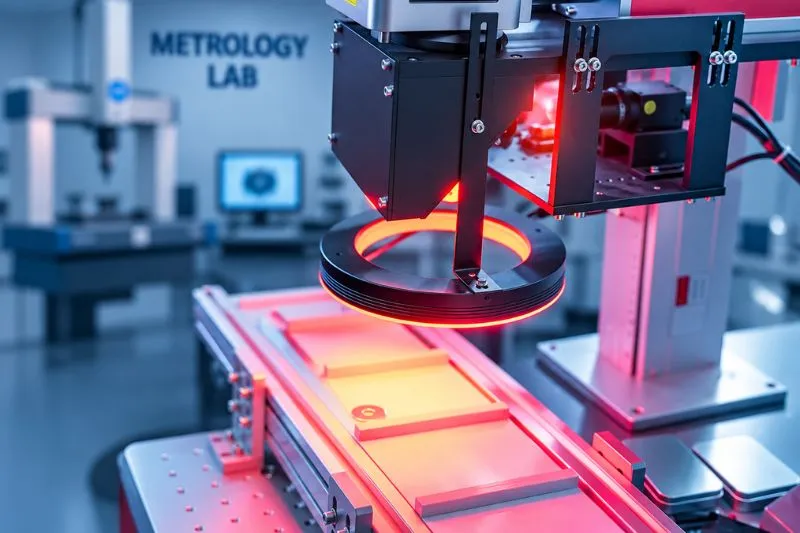
In the textile industry, even the smallest fabric defect can become a costly problem. A missed hole, color variation, broken yarn, or weaving flaw can lead to rejected shipments, unhappy customers, and expensive rework. When production lines move at high speed, relying only on manual inspection makes it nearly impossible to catch every defect.
That’s why more textile manufacturers are investing in a machine vision system. Instead of depending solely on the human eye, these intelligent inspection solutions automatically detect defects in real time, helping manufacturers improve quality, reduce waste, and increase production efficiency.
Whether you’re a fabric manufacturer, garment producer, textile processing company, or quality assurance manager, this guide explains how a vision system machine can transform your inspection process and help you deliver consistently high-quality products.
Table of Contents
- What Is a Machine Vision System?
- Why Is Fabric Inspection Important in the Textile Industry?
- How Does a Machine Vision System Work?
- What Types of Fabric Defects Can a Vision System Detect?
- Why Are Textile Manufacturers Adopting Vision Systems?
- How Does Automated Fabric Inspection Improve Profitability?
- What Should You Consider Before Choosing a Machine Vision System?
- Conclusion
- Frequently Asked Questions
What Is a Machine Vision System?
A machine vision system is an automated inspection solution that uses industrial cameras, intelligent lighting, image processing software, and artificial intelligence to inspect products during manufacturing.
In textile production, the system continuously scans moving fabric rolls, detects defects instantly, and alerts operators before defective material moves further down the production line.
Unlike manual inspection, which depends on operator concentration and experience, a vision system provides consistent, repeatable, and highly accurate inspections throughout every production shift.
Why Is Fabric Inspection So Important in the Textile Industry?
Textile manufacturing is highly competitive, and customers expect flawless fabric quality. Even a minor defect can affect an entire production batch.
Common challenges include:
- Missed weaving defects
- Color inconsistencies
- Broken yarns
- Holes and tears
- Stains and contamination
- Uneven fabric patterns
- Printing defects
- Surface imperfections
If these defects aren’t detected early, manufacturers may face:
- Customer complaints
- Product returns
- Export rejections
- Increased production costs
- Material waste
- Brand reputation damage
This is why fabric inspection is no longer just a quality control activity—it’s a critical part of maintaining customer trust.
How Does a Machine Vision System Work in Textile Manufacturing?
A machine vision system captures high-resolution images of moving fabric using industrial cameras installed above the production line.
The system processes every image within milliseconds and compares it against predefined quality standards.
When a defect is detected, the system can:
- Mark the defect location
- Trigger an alarm
- Store inspection images
- Generate inspection reports
- Stop the production line if required
Because inspection happens in real time, manufacturers can correct problems immediately instead of discovering defects after production is complete.
What Types of Fabric Defects Can a Vision System Machine Detect?
Modern vision system machines are capable of identifying a wide range of textile defects with exceptional accuracy.
These include:
Broken Yarns
Detect missing or damaged threads before they affect fabric quality.
Holes and Tears
Identify even small holes that are difficult to notice during manual inspection.
Oil Stains and Dirt
Locate contamination that may reduce product value.
Color Variations
Monitor color consistency across the entire fabric roll.
Weaving Defects
Detect skipped stitches, double picks, broken ends, and weaving irregularities.
Printing Errors
Ensure printed patterns remain consistent throughout production.
Surface Defects
Identify wrinkles, scratches, folds, and texture variations that affect appearance.
Automated detection significantly improves inspection reliability while reducing dependence on manual labor.
Why Are Textile Manufacturers Switching to Automated Vision Systems?
The demand for higher quality and faster production continues to grow. Manual inspection alone often cannot keep pace with modern manufacturing speeds.
Here’s why manufacturers are choosing advanced vision systems:
Improved Inspection Accuracy
Machine vision detects defects consistently without fatigue or human error.
Higher Production Speed
Continuous inspection keeps up with high-speed production lines without slowing operations.
Reduced Material Waste
Defects are detected early, preventing unnecessary processing of faulty fabric.
Better Product Quality
Consistent inspection ensures every roll meets customer specifications.
Lower Labor Costs
Automation reduces the need for large manual inspection teams while allowing employees to focus on higher-value tasks.
Real-Time Quality Monitoring
Production teams receive instant feedback, making it easier to correct process issues before they become costly.
These benefits help manufacturers improve efficiency while maintaining consistent product quality.
How Does a Machine Vision System Improve Business Performance?
Beyond quality inspection, a machine vision system delivers measurable business advantages.
Fewer Customer Complaints
Consistent inspection reduces defective shipments and improves customer satisfaction.
Stronger Brand Reputation
Supplying defect-free fabrics helps build long-term relationships with buyers and global brands.
Increased Production Efficiency
Automated inspection minimizes bottlenecks and supports uninterrupted manufacturing.
Lower Production Costs
Detecting defects early reduces rework, waste, and rejected materials.
Data-Driven Decision Making
Inspection reports provide valuable insights into recurring production issues, helping manufacturers optimize their processes.
For textile businesses operating in competitive markets, these improvements directly contribute to higher profitability.
What Should You Consider Before Investing in a Machine Vision System?
Selecting the right inspection solution requires careful evaluation.
Consider the following factors:
Camera Resolution
Higher-resolution cameras improve defect detection accuracy, especially for fine fabrics.
Inspection Speed
Choose a system capable of matching your production line speed without compromising performance.
AI-Based Detection
Advanced image processing and artificial intelligence improve detection accuracy while reducing false alarms.
Lighting Technology
Proper illumination ensures consistent image quality across different fabric types and colors.
Software Integration
The system should integrate with your existing production equipment and quality management systems.
Reporting Features
Look for solutions that automatically generate inspection reports for quality documentation and process improvement.
Investing in the right vision system machine ensures long-term value and supports future production growth.
Why Do Leading Textile Manufacturers Trust Machine Vision Technology?
Across the textile industry, manufacturers are embracing automation to stay competitive.
From weaving mills and dyeing units to garment manufacturers and technical textile producers, advanced machine vision systems are helping businesses:
- Detect defects faster
- Reduce quality-related costs
- Improve production efficiency
- Meet international quality standards
- Increase customer confidence
- Deliver consistent product quality
The growing adoption of machine vision reflects its proven ability to improve manufacturing performance while supporting higher quality standards.
Conclusion
As customer expectations continue to rise, textile manufacturers can no longer rely solely on manual inspection methods. Detecting defects early is essential for reducing waste, improving quality, and protecting brand reputation.
A modern machine vision system offers a smarter approach by automating fabric inspection, improving defect detection accuracy, and delivering real-time quality control throughout the production process.
Whether you’re producing woven fabrics, knitted textiles, technical textiles, or garments, investing in an advanced vision system helps improve operational efficiency, reduce costs, and consistently deliver products that meet customer expectations.
Frequently Asked Questions (FAQs)
What is a machine vision system?
A machine vision system is an automated inspection solution that uses cameras, lighting, and intelligent software to detect defects and monitor product quality during manufacturing.
How does a machine vision system improve fabric inspection?
It continuously scans moving fabric, identifies defects in real time, and alerts operators immediately, improving inspection accuracy and reducing manual errors.
What defects can a vision system detect in textiles?
A vision system can detect holes, broken yarns, stains, color variations, weaving defects, printing errors, wrinkles, scratches, and other surface imperfections.
Why is automated fabric inspection better than manual inspection?
Automated inspection provides faster, more consistent, and more accurate results while reducing operator fatigue and improving overall production efficiency.
Which textile industries benefit from machine vision systems?
Weaving mills, dyeing units, textile processing companies, garment manufacturers, nonwoven fabric producers, and technical textile manufacturers all benefit from automated inspection technology.