


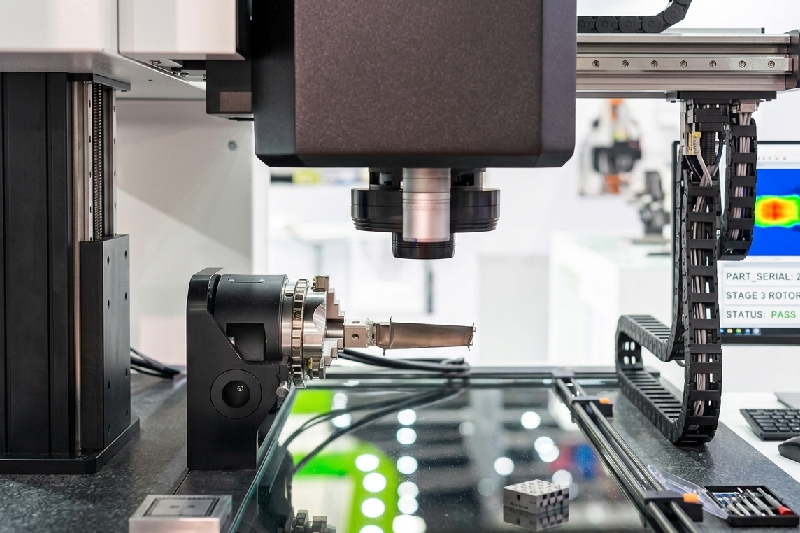
This is exactly where a machine vision system becomes a game-changer.
Table of Contents
- What is a Machine Vision System?
- Why Traditional Inspection Fails in High-Speed Steel Production
- How Machine Vision Transforms Steel Rod Inspection
- Key Benefits for Metal Grading Applications
- Real-World Impact on Steel Manufacturers
- How to Choose the Right Vision System Machine
- Conclusion
- FAQs
What is a Machine Vision System?
A machine vision system is an advanced inspection technology that uses cameras, sensors, and intelligent software to automatically inspect, measure, and analyze products on a production line.
In steel rod manufacturing, a vision system machine captures high-speed images of rods and evaluates:
- Surface defects (cracks, scratches, pits)
- Dimensional accuracy
- Surface finish consistency
- Color or texture variations (for grading)
Unlike human inspection, machine vision doesn’t get tired, distracted, or inconsistent. It delivers precise, repeatable results—every single time.
Why Traditional Inspection Fails in High-Speed Steel Production?
When steel rods move at high velocity, inspectors face multiple challenges:
- Limited reaction time to identify defects
- Fatigue leading to missed errors
- Inconsistent judgment across shifts
- Inability to detect micro-level defects
Even conventional inspection systems struggle because they lack real-time processing and adaptability.
And in metal grading applications, this gap directly impacts:
- Product quality
- Customer trust
- Regulatory compliance
- Operational efficiency
How Machine Vision System Transforms Steel Rod Inspection?
Real-Time, High-Speed Inspection
A machine vision system operates at the same speed as your production line—sometimes even faster. It captures and processes images in milliseconds, ensuring no rod goes unchecked.
Intelligent Defect Detection
This includes:
- Micro cracks
- Surface irregularities
- Rolling defects
- Inclusion marks
Automated Metal Grading
This ensures:
- Consistent grading across batches
- Elimination of subjective decisions
- Standardized output quality
Seamless Integration with Production Lines
A well-designed vision system machine integrates directly into your existing production setup, enabling:
- Automated rejection systems
- Real-time alerts
- Data tracking and reporting
Key Benefits of Machine Vision in Metal Grading Applications
1. Unmatched Accuracy and Consistency
2. Increased Production Efficiency
By automating inspection, manufacturers can:
- Reduce bottlenecks
- Maintain high-speed operations
- Minimize downtime
This directly improves throughput without compromising quality.
3. Reduced Scrap and Rework
Early defect detection means problems are caught before they escalate.
This helps in:
- Lowering rejection rates
- Reducing material waste
- Saving operational costs
4. Data-Driven Decision Making
Modern machine vision systems generate valuable insights, such as:
- Defect patterns
- Process inefficiencies
- Quality trends
This data empowers plant managers to optimize processes and improve output quality.
5. Compliance and Quality Assurance
Consistent metal grading is critical for meeting industry standards.
A vision system ensures:
- Traceability
- Documentation
- Audit readiness
Real-World Impact on Steel Manufacturers
Steel manufacturers who have implemented machine vision systems report significant improvements:
- Up to 90% reduction in inspection errors
- Faster grading processes
- Improved customer satisfaction
- Stronger brand reputation
More importantly, they gain confidence in their production quality—something that’s hard to achieve with manual methods.
How to Choose the Right Vision System Machine?
Speed Compatibility
Ensure the system can handle your production line speed without lag.
Detection Capabilities
AI and Automation Features
Integration Flexibility
The system should easily integrate with your existing setup.
Scalability
Pro Tips for Maximum ROI
If you’re investing in a machine vision system, maximize its impact by:
- Training your team for better adoption
- Regularly updating inspection parameters
- Using data insights for process optimization
- Partnering with experienced solution providers