


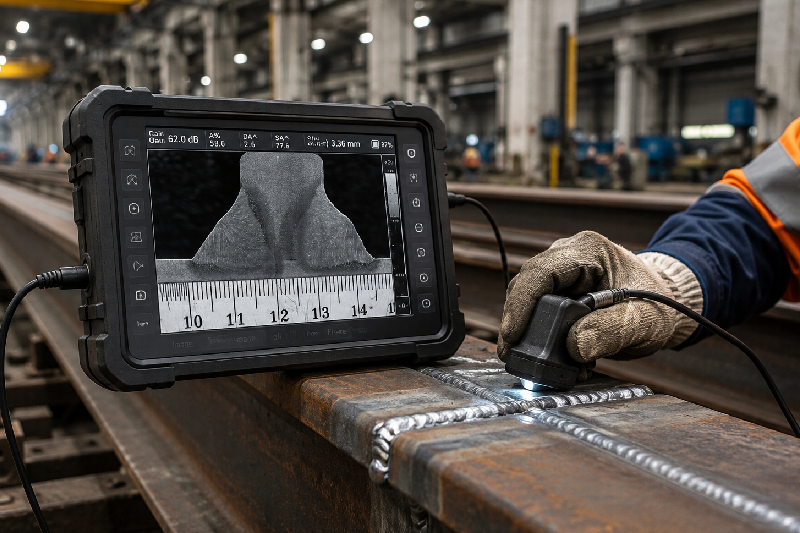
A single failed weld in a bridge, refinery, stadium, or industrial plant can trigger weeks of rework, unexpected shutdowns, and massive budget overruns. For project managers and QA teams handling large-scale infrastructure, weld quality is not just a technical requirement — it directly affects timelines, safety, compliance, and profitability.
That’s where weld penetration inspection becomes critical.
Incomplete weld penetration often hides beneath the surface until inspections reveal cracks, weak joints, or structural instability. By then, the cost of repair can be enormous. In high-stakes industries, even minor welding defects can delay approvals, damage client trust, and increase liability risks.
The good news? With the right welding inspection process, advanced testing methods, and proactive quality control, you can detect penetration issues early and drastically reduce structural rework. This guide explains how modern weld penetration strategies help infrastructure teams improve reliability, maintain compliance, and avoid expensive mistakes.
Table of Contents
- What Is Weld Penetration?
- Why Weld Penetration Matters in Infrastructure Projects
- Common Causes of Poor Weld Penetration
- How Weld Penetration Inspection Minimizes Rework
- Best Weld Penetration Test Methods
- How to Improve Welding Penetration Quality
- Benefits of Advanced Weld Inspection Systems
- Conclusion
- FAQs
What Is Weld Penetration in Welding?
Weld penetration refers to how deeply the weld metal fuses into the base material during the welding process. Proper penetration in welding ensures the joint achieves the required strength and durability needed for structural performance.
When the weld penetration test is insufficient, the joint may appear acceptable externally while remaining weak internally. This hidden weakness can later cause cracking, fatigue failure, or complete structural breakdown under stress.
In large-scale infrastructure projects, proper welding penetration is especially important for:
- Steel bridges
- Pressure vessels
- Pipelines
- Heavy structural fabrication
- Industrial plants
- Transportation infrastructure
For QA engineers and fabrication leads, ensuring proper weld penetration is one of the most effective ways to reduce costly repairs later in the project lifecycle.
Why Does Weld Penetration Matter So Much in Infrastructure Projects?
Infrastructure projects operate under extreme pressure. Tight schedules, strict regulations, and large financial investments leave very little room for welding errors.
Poor weld penetration creates problems that often remain invisible until advanced weld inspection is performed. By the time defects are discovered, teams may already face:
- Material wastage
- Delayed project timelines
- Failed compliance audits
- Structural safety concerns
- Increased labor costs
- Client dissatisfaction
Imagine a major structural beam failing ultrasonic testing after installation. The removal, re-welding, re-inspection, and downtime can cost thousands — sometimes millions — depending on project scale.
This is why leading infrastructure firms prioritize weld penetration test procedures early in fabrication instead of relying solely on final-stage inspections.
What Causes Poor Weld Penetration?
Understanding the root causes helps prevent recurring defects.
Incorrect Welding Parameters
Improper voltage, amperage, or travel speed can reduce welding penetration significantly. Low heat input often prevents complete fusion between metals.
Poor Joint Preparation
Improper groove angles, contamination, or uneven fit-up restrict penetration in welding and increase defect risk.
Inexperienced Welders
Even skilled welders can struggle with thick materials or complex structural joints without proper process control and training.
Wrong Electrode or Filler Material
Using incompatible consumables may reduce fusion efficiency and weaken structural integrity.
Inadequate Inspection Practices
Many infrastructure teams still rely heavily on visual checks. Unfortunately, visual inspection alone cannot accurately verify internal weld penetration.
How Does Weld Penetration Inspection Minimize Structural Rework?
The biggest advantage of proactive welding inspection is early defect detection.
Instead of discovering failures after assembly or installation, advanced inspection methods identify penetration issues during fabrication itself. This allows teams to correct problems immediately before they escalate into larger structural concerns.
Early Detection Prevents Costly Repairs
Catching incomplete penetration during fabrication is far less expensive than repairing installed structural components. Early intervention reduces labor duplication, equipment downtime, and project disruption.
Improves Regulatory Compliance
Infrastructure projects must meet strict welding codes and safety standards. Consistent weld inspection ensures compliance with industry regulations and minimizes approval delays.
Enhances Structural Reliability
Proper weld penetration strengthens fatigue resistance, load-bearing capacity, and long-term structural durability. This is especially critical for bridges, offshore structures, and industrial facilities exposed to constant stress.
Reduces Project Delays
Rework is one of the leading causes of schedule overruns in fabrication projects. Reliable weld penetration testing helps maintain smoother workflows and predictable delivery timelines.
Protects Brand Reputation
Clients and stakeholders expect structural reliability. Consistent quality assurance builds trust and strengthens long-term business relationships.
What Are the Best Weld Penetration Test Methods?
Different inspection methods are used depending on material thickness, joint type, and project requirements.
Ultrasonic Testing (UT)
Ultrasonic testing is widely used for detecting internal penetration defects in structural welds. High-frequency sound waves identify incomplete fusion, cracks, and voids without damaging the material.
Best for: Thick structural steel, pipelines, pressure vessels
Radiographic Testing (RT)
Radiographic inspection uses X-rays or gamma rays to reveal internal weld defects clearly. It provides highly accurate imaging for penetration analysis.
Best for: Critical infrastructure and code-compliant projects
Visual Weld Inspection
Visual inspection remains an essential first step in welding inspection. While it cannot confirm internal penetration fully, it helps identify surface defects and alignment issues.
Best for: Preliminary quality checks
Macro Etch Testing
This weld penetration test involves cutting and polishing a sample weld to visually evaluate penetration depth and fusion quality.
Best for: Procedure qualification and welder testing
Automated CMM and Digital Inspection Systems
Modern fabrication facilities increasingly use automated inspection technologies for high-precision weld analysis. These systems improve consistency, reduce human error, and accelerate quality reporting.
How Can You Improve Welding Penetration Quality?
Reducing structural rework starts long before inspection.
Standardize Welding Procedures
Clear welding procedure specifications (WPS) ensure consistent penetration results across teams and projects.
Invest in Welder Training
Experienced welders understand how to adjust parameters based on material thickness, joint configuration, and welding position.
Use Real-Time Monitoring
Modern monitoring systems help track heat input, travel speed, and welding consistency during production.
Perform In-Process Weld Inspection
Waiting until final inspection increases rework risk. In-process checks help identify problems immediately.
Adopt Advanced Inspection Technology
Digital inspection systems improve defect detection accuracy while reducing manual inspection delays.
Why Are Advanced Weld Inspection Systems Becoming Essential?
Today’s infrastructure projects are larger, faster, and more complex than ever before. Manual inspection methods alone often struggle to keep pace with modern fabrication demands.
Advanced weld inspection solutions offer several competitive advantages:
- Faster inspection turnaround
- Higher defect detection accuracy
- Automated reporting
- Reduced human error
- Better compliance documentation
- Improved productivity
Companies investing in advanced weld penetration inspection technologies often see lower rework costs, improved operational efficiency, and stronger project profitability.
In competitive industries where delays can destroy margins, quality control is no longer optional — it is a strategic advantage.
Conclusion
Structural rework is one of the most expensive and avoidable problems in large-scale infrastructure projects. Poor weld penetration not only threatens structural integrity but also creates delays, compliance risks, and financial losses.
By implementing proactive weld penetration inspection processes, infrastructure teams can identify defects earlier, improve welding quality, and significantly reduce rework costs.
Whether you manage fabrication operations, oversee quality assurance, or lead infrastructure delivery, investing in reliable welding inspection systems is one of the smartest decisions you can make for long-term project success.
FAQs
What is weld penetration in welding?
Weld penetration refers to how deeply the weld metal fuses into the base material, ensuring structural strength and durability.
Why is weld penetration important?
Proper weld penetration improves joint strength, reduces structural failure risks, and ensures compliance with industry safety standards.
Which weld penetration test is most accurate?
Ultrasonic testing and radiographic testing are considered highly accurate methods for detecting internal penetration defects.
Can visual weld inspection detect penetration issues?
Visual inspection helps identify surface defects but cannot reliably detect internal penetration problems.
How does welding inspection reduce rework?
Early defect detection allows teams to fix issues during fabrication instead of after installation, reducing repair costs and project delays.