

QS Metrology | Portable XRF Analyser | Portable XRF Spectrometer | Optical Emission spectrometer | XRD | Surface roughness Tester | roughness measuring machine | Portable Roughness Tester | Contour measuring machine | Contour Tester | Coordinate measuring machine | 3 D Coordinate measuring machine | Weld penetration inspection | Weld penetration measurement System | Stereomicroscope | Coating thickness tester | Video Measuring machine | Metallurgical Image analysis | Metallurgical microscope

admin

What Is a Digital Coating Thickness Gauge and Its Working Method

What Is a Digital Coating Thickness Gauge and Its Working Method

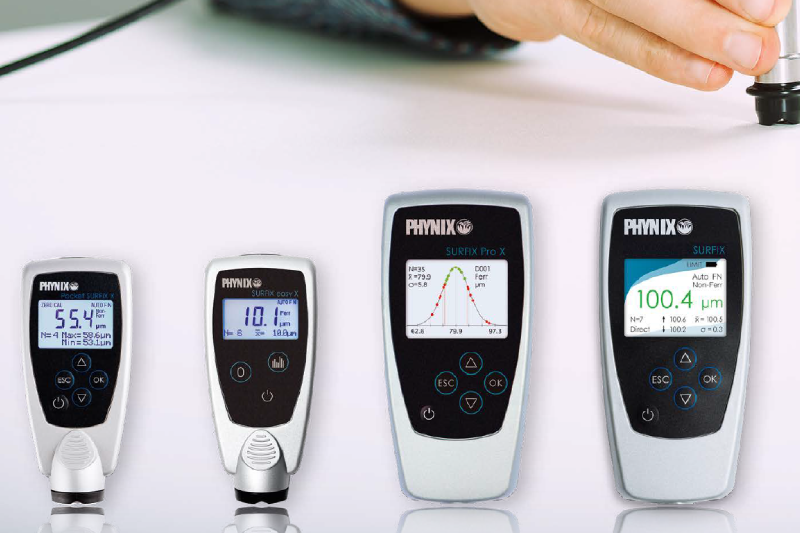
In industries where surface protection, durability, and quality control are critical, accurate coating measurement plays a vital role. Whether it is paint, powder coating, anodizing, or electroplating, maintaining the correct coating thickness ensures performance, compliance with standards, and long-term reliability. This is where a digital coating thickness Gauge becomes an essential metrology tool. In this blog, we explain what a digital coating thickness Gauge is, how it works, its measurement principles, and why it is widely used across industries. What Is a Digital Coating Thickness Gauge? A digital coating thickness gauge, also known as a coating thickness gauge, is a non-destructive testing instrument used to measure the thickness of coatings applied on metal substrates. These coatings may include paint, varnish, enamel, powder coatings, chrome plating, zinc coating, or anodized layers. Commonly referred to as a thickness gauge paint instrument or a DFT meter (Dry Film Thickness meter), this device provides quick, accurate, and repeatable measurements without damaging the coated surface. Digital coating thickness gauges are widely used in quality inspection, production lines, maintenance checks, and compliance audits where precise coating control is mandatory. Why Measuring Coating Thickness Is Important? Correct coating thickness directly affects: Corrosion resistance Mechanical strength Adhesion performance Product aesthetics Compliance with ISO, ASTM, and industry standards Under-coating can lead to premature corrosion or failure, while over-coating increases material cost and may cause cracking or peeling. Using a reliable coating thickness gauge ensures the coating stays within specified limits, reducing rework and material wastage. Types of Digital Coating Thickness Measurement Methods Digital coating thickness gauges work on different measurement principles depending on the substrate material and coating type. The most commonly used methods are: 1. Magnetic Induction Method (Ferrous Substrates) This method is used when measuring non-magnetic coatings such as paint, enamel, or plastic applied on ferrous materials like steel or iron. The DFT meter generates a magnetic field between the probe and the steel substrate. The strength of the magnetic field changes depending on the distance between the probe and the metal surface. This distance is directly proportional to the coating thickness. Typical applications: Paint thickness on steel structures Powder coating on iron components Protective coatings on pipelines 2. Eddy Current Method (Non-Ferrous Substrates) The eddy current principle is used to measure non-conductive coatings on non-ferrous metals such as aluminum, copper, brass, or stainless steel. The probe generates high-frequency electrical currents (eddy currents) in the metal substrate. The presence of a coating alters these currents, and the meter calculates the coating thickness based on this variation. Typical applications: Paint on aluminum panels Anodized coatings Insulating layers on non-ferrous metals 3. Ultrasonic Method (Advanced Applications) Ultrasonic coating thickness gauges are used when measuring coatings on non-metallic substrates or multi-layer coatings. This method sends ultrasonic waves through the coating. The time taken for the sound waves to reflect back from the substrate determines the coating thickness. Typical applications: Coatings on plastic or composites Rubber layers Thick industrial coatings How Does a Digital Coating Thickness Gauge Work? The working method of a digital coating thickness gauge involves the following steps: Step 1: Calibration Before measurement, the coating thickness gauge is calibrated using standard foils or reference blocks. Proper calibration ensures high measurement accuracy and repeatability. Step 2: Probe Placement The probe is placed perpendicular to the coated surface. The device automatically detects the substrate type (ferrous or non-ferrous) in advanced models. Step 3: Measurement The meter applies the selected measurement principle (magnetic induction, eddy current, or ultrasonic) and instantly displays the coating thickness value on a digital screen. Step 4: Data Storage and Analysis Modern thickness gauge paint instruments offer data logging, statistics, Bluetooth connectivity, and USB data transfer for inspection reports and quality audits. Key Features of a Digital Coating Thickness Gauge A high-quality digital coating thickness gauge typically includes: High-resolution digital display Automatic substrate recognition Wide measurement range Single and continuous measurement modes Data memory and statistical functions Compact and ergonomic design These features make the DFT meter suitable for both field inspections and laboratory use. Applications of Digital Coating Thickness Gauges Digital coating thickness gauges are widely used in: Automotive manufacturing and refinishing Aerospace component inspection Oil & gas pipelines Structural steel fabrication Powder coating and paint shops Shipbuilding and marine coatings In all these sectors, accurate coating thickness measurement is critical for product quality, safety, and regulatory compliance. Advantages of Using a Digital Coating Thickness Gauge Using a digital coating thickness gauge offers several benefits: Non-destructive measurement Fast and accurate results Reduced material wastage Improved quality control Compliance with international standards Enhanced coating performance and durability A digital coating thickness gauge is an indispensable tool in modern metrology and quality assurance. Whether referred to as a coating thickness gauge, thickness gauge paint, or DFT meter, its role remains the same—ensuring coatings meet required specifications while maintaining efficiency and cost control. By understanding their working method and selecting the right measurement principle, industries can significantly improve coating quality, extend product life, and maintain high manufacturing standards. Explore Coating Thickness Gauges

How to Select the Right Surface Roughness Tester for Accurate Industrial Measurements?

How to Select the Right Surface Roughness Tester for Accurate Industrial Measurements?

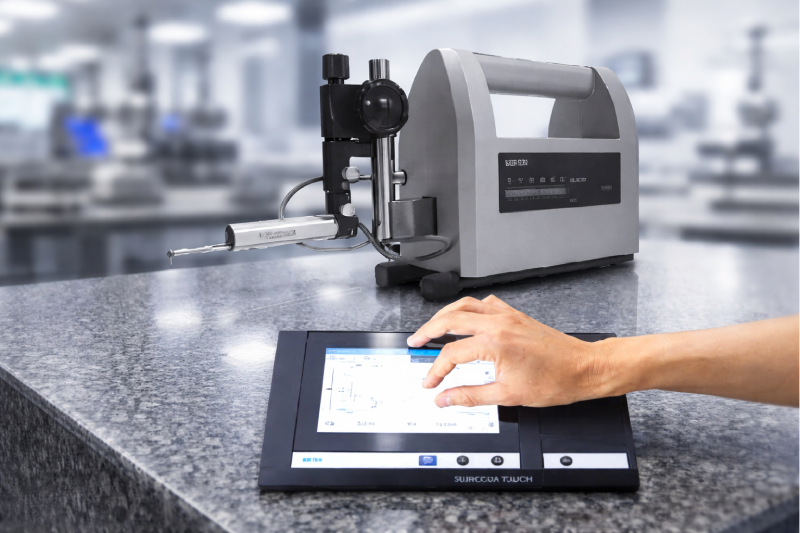
In modern manufacturing and quality control, surface roughness measurement plays a critical role in ensuring product performance, durability, and compliance with international standards. From automotive components to aerospace parts and precision machining, even minor surface irregularities can affect friction, wear, sealing ability, and overall functionality. Choosing the right surface roughness tester is therefore essential for achieving accurate, repeatable, and reliable results. This guide explains how to select the most suitable surface roughness tester for your industrial needs, helping you make an informed investment that improves measurement accuracy and production efficiency. Why Surface Roughness Measurement Is Important? Surface roughness refers to the fine irregularities present on a material’s surface after manufacturing processes such as milling, grinding, turning, or polishing. Accurate surface roughness measurement ensures: Proper fit and assembly of components Reduced friction and wear Improved coating adhesion Compliance with ISO, ANSI, or JIS standards Enhanced product quality and lifespan Without a reliable ra tester, manufacturers risk defects, rejected batches, and costly rework. Understand Your Measurement Requirements Before selecting a surface roughness tester, it is important to clearly define your application requirements. Consider the type of materials you measure, the surface geometry, and the roughness parameters you need to evaluate. Most industries rely on Ra (arithmetical mean roughness), making an accurate ra tester essential. However, some applications may also require parameters such as Rz, Rq, or Rt. Ensure the surface roughness tester you choose supports all required parameters for your process. Choose Between Portable and Benchtop Surface Roughness Testers One of the first decisions involves selecting the right form factor. Portable Surface Roughness Tester Portable testers are compact, lightweight, and ideal for on-site surface roughness measurement. They are commonly used for in-process inspection, shop floor checks, and field applications. A handheld ra tester offers flexibility and quick results without moving large components. Benchtop Surface Roughness Tester Benchtop systems are designed for laboratory environments where maximum accuracy and advanced analysis are required. These surface roughness testers are ideal for R&D, calibration labs, and detailed surface profiling. Choosing between portable and benchtop models depends on whether mobility or high-precision analysis is more important for your workflow. Contact vs Non-Contact Surface Roughness Measurement Another critical factor is the measurement method. Contact Surface Roughness Tester Contact-based surface roughness testers use a stylus that physically traces the surface. These are widely used due to their accuracy, reliability, and suitability for most industrial surfaces. A contact ra tester is often the preferred choice for metal components and machined parts. Non-Contact Surface Roughness Measurement Non-contact systems use optical or laser technology and are ideal for soft, delicate, or highly polished surfaces. While they eliminate the risk of surface damage, they are typically more expensive and sensitive to environmental conditions. Accuracy, Resolution, and Measurement Range Accuracy is the most important factor when selecting a surface roughness tester. Look for instruments with high resolution and a measurement range suitable for both rough and fine surfaces. A reliable ra tester should provide consistent readings even under varying conditions. Additionally, consider repeatability and compliance with international standards. Certified surface roughness testers ensure traceable and trustworthy surface roughness measurement results. Compliance with International Standards Industries often require adherence to standards such as ISO 4287, ISO 4288, ANSI B46.1, or JIS specifications. Ensure your surface roughness tester supports these standards and allows easy switching between them. A standards-compliant ra tester simplifies audits, customer approvals, and global manufacturing requirements. Ease of Use and User Interface A surface roughness tester should be intuitive and easy to operate. Features such as a clear display, simple menu navigation, and quick setup reduce operator errors and training time. Modern surface roughness testers often include touchscreen displays, preset measurement modes, and automatic parameter selection, making surface roughness measurement faster and more efficient. Data Output, Storage, and Connectivity Data management is an essential part of quality control. Choose a surface roughness tester that supports data storage, USB or Bluetooth connectivity, and PC software integration. This allows easy data transfer, report generation, and long-term traceability. Advanced ra testers also support printer connections for instant measurement reports on the shop floor. Durability and Environmental Conditions Industrial environments can be harsh. A robust surface roughness tester should withstand vibration, dust, and temperature variations. Portable models should have strong housings and long battery life to support continuous surface roughness measurement during production shifts. Long-Term Value and Support Finally, consider calibration support, warranty, and technical service. A high-quality surface roughness tester is a long-term investment. Reliable after-sales support ensures consistent accuracy and extended instrument life. Selecting the right surface roughness tester is essential for achieving accurate, repeatable, and standard-compliant surface roughness measurement. By understanding your application needs, choosing the right measurement method, ensuring accuracy and standards compliance, and investing in a reliable ra tester, you can significantly improve product quality and manufacturing efficiency. Whether for shop floor inspections or laboratory analysis, the right surface roughness tester empowers industries to maintain precision, reduce defects, and meet demanding quality expectations. Find the Right Surface Roughness Tester

5 Critical Factors to Consider Before Buying a Handheld XRF Analyzer

5 Critical Factors to Consider Before Buying a Handheld XRF Analyzer

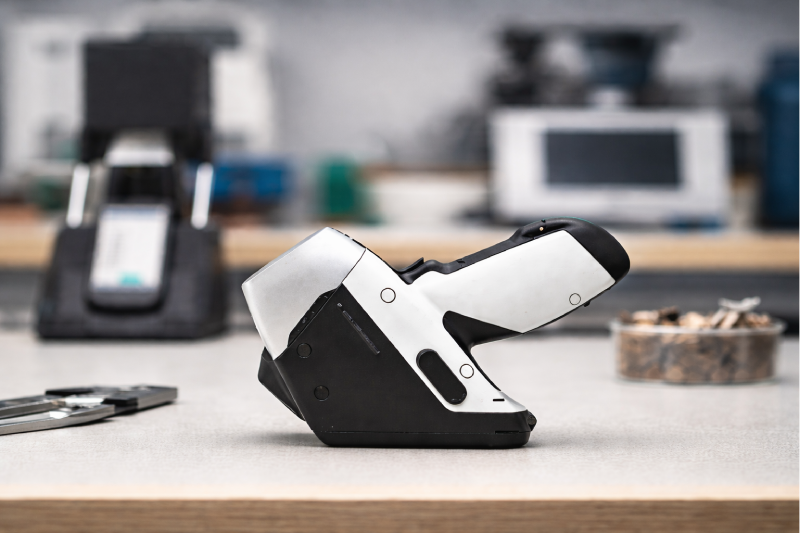
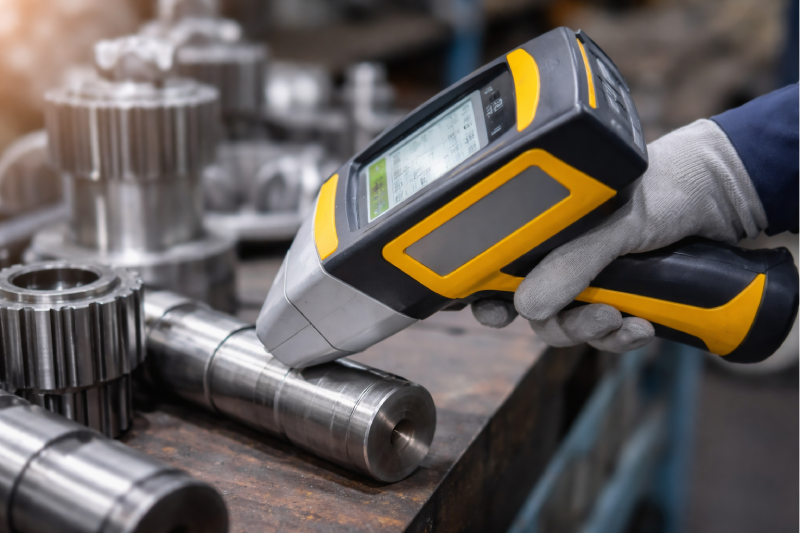
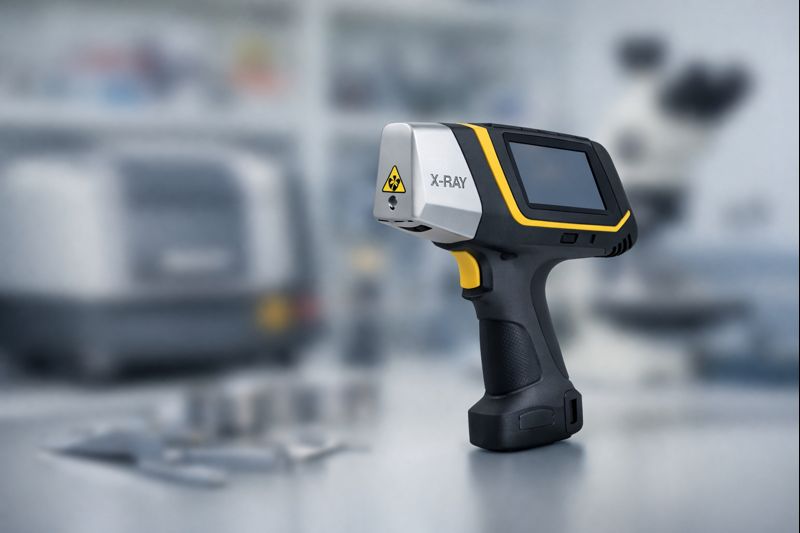
In modern metrology and material testing environments, handheld XRF analyzers have become indispensable tools for rapid, non-destructive elemental analysis. From positive material identification (PMI) and scrap sorting to RoHS compliance and alloy verification, X-ray fluorescence spectroscopy enables accurate decision-making directly at the inspection site. However, selecting the right handheld XRF is not as straightforward as comparing prices or brand names. A wrong choice can lead to poor detection limits, inaccurate results, slow testing, or limitations in real-world applications. For laboratories, manufacturing plants, and inspection agencies in India, understanding the metrology-critical factors behind XRF performance is essential. Below are five critical factors every professional should evaluate before investing in a handheld XRF analyzer. 1. Detector Technology and Sensitivity The detector is the heart of any X-ray fluorescence analysis XRF system. It directly determines elemental sensitivity, speed, and accuracy. Modern handheld XRF analyzers typically use either PIN diode detectors or Silicon Drift Detectors (SDD). While PIN detectors are cost-effective, SDD technology offers significantly higher resolution, faster count rates, and better detection of light elements such as magnesium, aluminum, silicon, phosphorus, and sulfur. From a metrology standpoint, higher detector resolution reduces spectral overlaps and improves quantitative accuracy—especially in complex alloys and multi-element samples. For applications like PMI, aerospace alloys, and quality audits, SDD-based XRF instruments provide superior repeatability and confidence. Key takeaway: Always prioritize detector performance over price if analytical reliability matters. 2. X-ray Tube Voltage and Power Output The X-ray tube defines the excitation energy used in X-ray fluorescence spectroscopy. Tube voltage typically ranges between 40 kV and 50 kV in handheld instruments. While higher voltage enables better excitation of heavy elements such as silver, tin, antimony, and rare metals, not every application requires maximum power. For routine alloy analysis, a well-optimized 40 kV system may deliver faster results with lower power consumption. In metrology-driven industries, stability of tube output is as important as voltage itself. Consistent excitation ensures repeatable measurements across batches and operators. Key takeaway: Choose tube voltage based on application requirements, not marketing numbers. 3. Anode Material and Excitation Efficiency An often-overlooked parameter in handheld XRF analyzers is the X-ray tube anode material, commonly tungsten (W) or rhodium (Rh). The anode material influences the shape of the excitation spectrum, affecting detection limits and background noise. Tungsten anodes offer strong excitation for heavy elements, while rhodium anodes provide smoother spectral output beneficial for light and mid-range elements. From a metrology perspective, the right anode material improves analytical precision, reduces measurement time, and enhances performance across diverse sample types. Key takeaway: Match anode material to the elements you measure most frequently. 4. Filter Systems and Elemental Optimization Filters play a crucial role in X-ray fluorescence analysis XRF by shaping the excitation beam to improve signal-to-noise ratio. Entry-level devices may use fixed filters, while advanced handheld XRF models feature automatic multi-filter systems. For metrology professionals, automatic filter selection ensures optimized excitation for different elemental ranges without operator intervention. This leads to consistent results, lower operator dependency, and improved measurement repeatability—especially important in compliance testing and audits. In quality-controlled environments, filter optimization directly impacts measurement uncertainty and detection limits. Key takeaway: Advanced filter systems translate into better accuracy and faster workflows. 5. Measurement Geometry, Collimator, and Spot Size Not all samples are large, flat, or homogeneous. Welds, small components, inclusions, and coated materials demand precise measurement geometry. Handheld XRF analyzers with adjustable collimators and smaller spot sizes allow targeted analysis without averaging surrounding material. From a metrology standpoint, this ensures representative sampling and prevents false results—especially in weld inspection, jewelry testing, and electronic components. Additionally, stable positioning, rugged housing, and ergonomic design contribute to consistent measurements in field conditions. Key takeaway: Spot size control is critical for accurate micro-area analysis. Why Choosing the Right XRF Matters in Indian Metrology Applications? In India’s growing manufacturing and inspection ecosystem, reliable material verification is essential for export compliance, safety standards, and cost control. Working with trusted XRF spectrometer suppliers in India ensures not only quality equipment but also proper calibration, service support, and operator training. A well-selected handheld XRF analyzer reduces rework, prevents material mix-ups, and strengthens quality assurance systems across industries such as automotive, power, infrastructure, oil & gas, and recycling. Investing in handheld XRF analyzers is a strategic decision that directly impacts analytical accuracy, compliance, and operational efficiency. By evaluating detector technology, tube voltage, anode material, filter systems, and measurement geometry, metrology professionals can select an instrument that delivers long-term value. With the right balance of performance and application focus, X-ray fluorescence spectroscopy becomes a powerful ally in modern quality control and material science. Explore our Handheld XRF Analyzers

XRF Analysis Explained: What It Can & Can’t Measure

XRF Analysis Explained: What It Can & Can’t Measure

In modern metrology and material testing, speed, accuracy, and non-destructive analysis are critical. One technique that has become indispensable across industries is X-ray Fluorescence Spectroscopy, commonly known as XRF. From metals and alloys to coatings and geological samples, X-ray fluorescence analysis (XRF) plays a vital role in quality control, compliance testing, and research. However, while XRF is powerful, it is not universal. Understanding what XRF can and cannot measure is essential for selecting the right analytical method. This article explains XRF analysis from a metrology perspective, highlighting its capabilities, limitations, and real-world applications. What Is X-Ray Fluorescence Spectroscopy? X-ray fluorescence spectroscopy is an elemental analysis technique used to identify and quantify elements present in a material. When a sample is exposed to high-energy X-rays, atoms inside the material emit secondary (fluorescent) X-rays at characteristic energies. These emitted energies act like fingerprints, allowing an XRF spectrometer to determine which elements are present and in what concentration. One of the biggest advantages of X-ray fluorescence analysis XRF is that it is non-destructive. The sample remains intact, making XRF ideal for industrial inspection, heritage analysis, and quality assurance. What Can XRF Measure? 1. Elemental Composition XRF is best suited for detecting medium to heavy elements, typically from magnesium (Mg) to uranium (U). It is widely used for: Alloy identification Precious metal analysis Mining and mineral exploration Environmental soil testing Cement and construction materials Electronics and RoHS compliance Both benchtop and handheld XRF analyzers can deliver fast and reliable elemental results in seconds. 2. Metals and Alloys In metrology labs and manufacturing plants, XRF is extensively used for metal grade verification. Stainless steel, aluminum alloys, brass, bronze, and superalloys can be analyzed accurately without cutting or altering the sample. Handheld XRF analyzers are especially valuable for on-site PMI (Positive Material Identification), scrap sorting, and incoming material inspection. 3. Coating Thickness and Plating Analysis XRF is a trusted method for measuring coating thickness and multi-layer plating systems. Industries such as automotive, electronics, aerospace, and electroplating rely on XRF to measure: Zinc, nickel, chromium coatings Gold and silver plating PCB layer thickness This makes XRF an essential tool in industrial metrology. 4. Solids, Powders, and Liquids XRF works well with a variety of sample forms, including: Solid metal parts Powders and pellets Liquids in sample cups Minimal sample preparation is required, which saves time and improves workflow efficiency. What XRF Cannot Measure Effectively? Despite its versatility, X-ray fluorescence spectroscopy has limitations that users must understand. 1. Very Light Elements XRF struggles with very light elements such as: Hydrogen (H) Helium (He) Lithium (Li) Beryllium (Be) These elements emit low-energy X-rays that are easily absorbed by air or the detector window. While advanced systems can detect elements like sodium or magnesium, ultra-light elements remain a challenge for standard XRF. 2. Chemical Bonds and Oxidation States X-ray fluorescence analysis XRF identifies elements, not chemical structures. It cannot determine: Oxidation states Molecular bonding Chemical compounds For example, XRF can detect iron (Fe) but cannot distinguish between FeO and Fe₂O₃. Techniques like XRD or FTIR are better suited for such analysis. 3. Ultra-Trace Element Detection Although XRF offers excellent detection limits for many elements, it is not ideal for ultra-trace analysis at parts-per-billion (ppb) levels. For extremely low concentrations, methods such as ICP-MS may be required. 4. Non-Homogeneous or Rough Samples Surface roughness, irregular geometry, or non-uniform composition can affect XRF accuracy. Proper sample preparation, calibration, and measurement geometry are essential for metrology-grade results. Handheld vs Benchtop XRF in Metrology Both benchtop and handheld XRF analyzers serve important roles: Handheld XRF analyzers are ideal for field inspections, rapid screening, and in-situ testing. Benchtop XRF systems provide higher precision and better control for laboratory environments. Choosing the right system depends on application requirements, accuracy needs, and testing conditions. Why XRF Is Critical in Modern Metrology? XRF has become a cornerstone of material testing because it offers: Non-destructive analysis Fast results Minimal sample preparation High repeatability Cost-effective operation Industries rely on trusted XRF spectrometer suppliers in India to ensure compliance with global standards, improve quality control, and reduce material failures. Choosing the Right XRF Solution When selecting an XRF system, it is important to work with experienced XRF spectrometer suppliers India who understand industrial metrology requirements. Factors such as calibration support, application expertise, service reliability, and training are as important as instrument specifications. XRF analysis is a powerful, reliable, and widely used technique in metrology for elemental analysis and quality control. While X-ray fluorescence spectroscopy excels at identifying metals, coatings, and many inorganic materials, it also has clear limitations—particularly with light elements and chemical structures. By understanding what X-ray fluorescence analysis XRF can and cannot measure, manufacturers, laboratories, and inspectors can make informed decisions and ensure accurate, repeatable results. With the right equipment and support from trusted XRF spectrometer suppliers in India, XRF continues to be an essential tool in modern industrial metrology. Explore our Handheld XRF Analyzers

Handheld vs Benchtop XRF Spectrometers - A Practical Guide for Accurate Material Analysis

Handheld vs Benchtop XRF Spectrometers – A Practical Guide for Accurate Material Analysis

Accurate material identification and elemental composition analysis are fundamental requirements in modern material science. From quality assurance and failure analysis to regulatory compliance and incoming inspection, measurement accuracy directly impacts product reliability and manufacturing efficiency. Among non-destructive testing technologies, X-ray fluorescence spectroscopy has become a cornerstone technique for rapid and reliable elemental analysis across industries. However, one key decision often challenges quality engineers and material science managers – Should you use handheld XRF analyzers or benchtop XRF spectrometers? While both rely on the same scientific principle of X-ray fluorescence analysis (XRF), their measurement capabilities, accuracy levels, and use cases differ significantly. This guide explains those differences from a strictly material science-centric perspective to help you choose the right solution for precise material analysis. Understanding X-Ray Fluorescence Spectroscopy X-ray fluorescence spectroscopy is a non-destructive analytical method used to determine the elemental composition of materials. When a material is exposed to primary X-rays, atoms within the sample emit secondary (fluorescent) X-rays with characteristic energies. These energies are measured and converted into qualitative and quantitative elemental data. In material science applications, X-ray fluorescence analysis (XRF) is valued for its – High repeatability Minimal sample preparation Non-destructive measurement Fast inspection cycles Broad elemental detection range XRF is widely used in metallurgy, aerospace, automotive manufacturing, electronics, coatings, mining, and regulatory testing. Handheld XRF Analyzers – Field-Ready Measurement Tools Handheld XRF analyzers are portable instruments designed for on-site material identification and rapid screening. They are extensively used where mobility and speed are critical. Advantages Handheld XRF analyzers enable – Immediate material verification in the field Rapid alloy identification Sorting of metals and scrap materials Preliminary quality checks during production Compliance verification (RoHS, REACH) These devices are optimized for quick decision-making rather than high-precision laboratory analysis. Measurement Characteristics From a material science standpoint, handheld XRF analyzers typically offer – Moderate measurement accuracy Short analysis times (seconds) Limited control over environmental variables Reduced sensitivity for light elements Higher measurement uncertainty compared to lab systems While modern handheld units have improved calibration algorithms, their results are best suited for screening and classification, not certification-grade measurements. Benchtop XRF Spectrometers – Precision-Driven Instruments Benchtop XRF spectrometers are laboratory-based systems engineered for high-accuracy and repeatable measurements under controlled conditions. These instruments are widely used in material science labs, quality control departments, and research environments. Advantages Benchtop systems deliver – Superior measurement precision and repeatability Enhanced detection limits for trace elements Controlled sample positioning and geometry Advanced calibration and correction models High confidence quantitative results For applications requiring documented accuracy and traceability, benchtop XRF spectrometers are the preferred solution. Measurement Characteristics In material science applications, benchtop XRF systems provide – Lower measurement uncertainty Improved sensitivity for light and heavy elements Stable operating conditions Consistent results across large sample batches Compliance with international testing standards These capabilities make benchtop instruments ideal for certified material analysis, laboratory QA, and failure investigation. Accuracy vs Portability From a material science perspective, the primary distinction between handheld and benchtop XRF lies in measurement control and accuracy. Parameter Handheld XRF Analyzers Benchtop XRF Spectrometers Measurement accuracy Moderate High Repeatability Limited Excellent Environmental control Minimal Full Portability High None Sample preparation Minimal Optional but recommended Certification Not ideal Suitable Handheld XRF analyzers are valuable for process monitoring and rapid verification, while benchtop systems are essential for final inspection and certified results. Application-Based Selection in Material Science Choosing between handheld and benchtop XRF should be guided by measurement objectives rather than convenience alone. Use Handheld XRF Analyzers When – On-site inspection is required Fast material identification is needed Sorting and screening tasks dominate Production environments limit lab access Preliminary inspection precedes lab testing Use Benchtop XRF Spectrometers When – High-accuracy quantitative analysis is required Measurement traceability matters Regulatory or customer certification is needed Batch testing consistency is critical Advanced elemental analysis is performed In many industrial material science setups, both systems coexist, serving complementary roles. Role of XRF in Modern Quality Control X-ray fluorescence analysis (XRF) plays a crucial role in preventing material mix-ups, detecting composition deviations, and ensuring compliance with international standards. Inconsistent alloy chemistry or coating thickness errors can lead to structural failure, product recalls, and financial losses. By integrating the correct XRF system into a material science workflow, manufacturers can – Improve inspection confidence Reduce rework and scrap Maintain compliance with ISO and industry standards Strengthen traceability and documentation Final Thoughts Both handheld XRF analyzers and benchtop XRF spectrometers are indispensable tools within modern material testing environments. The decision should always be based on measurement accuracy requirements, inspection environment, and quality objectives. For rapid field decisions and process-level checks, handheld instruments deliver unmatched convenience. For laboratory-grade precision and traceable results, benchtop XRF remains the gold standard in X-ray fluorescence spectroscopy. Checkout the Right Handheld XRF Analyzers

Welding Penetration Explained - Why Weld Inspection System Matters

Welding Penetration Explained – Why Weld Inspection System Matters?

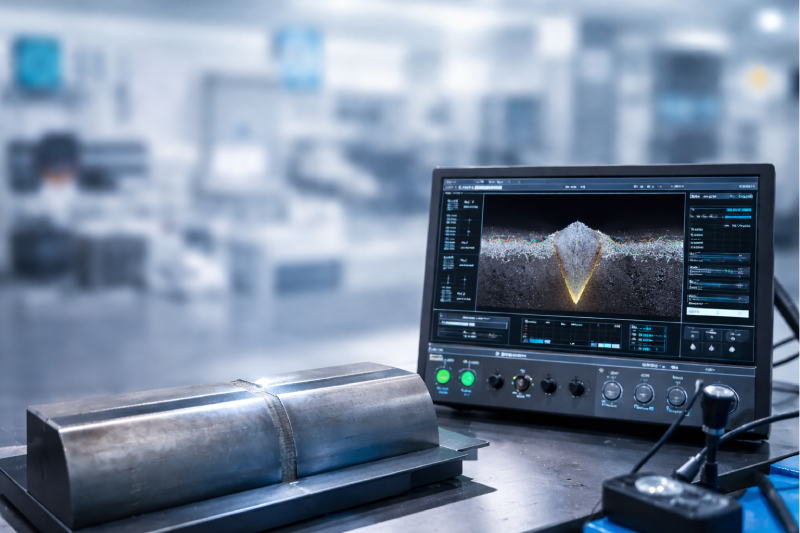
In modern manufacturing, welding quality is no longer judged by appearance alone. Industries that demand precision, safety, and compliance rely heavily on metrology-driven weld inspection systems to measure and validate welding penetration. From automotive and aerospace to heavy engineering and pressure vessels, accurate measurement of weld penetration has become a critical part of industrial metrology. Metrology ensures that welding penetration is not just achieved—but measured, verified, documented, and repeatable. This shift from subjective inspection to data-driven measurement highlights why weld inspection systems play a vital role in today’s quality-controlled manufacturing environments. Understanding Welding Penetration from a Metrology Perspective Welding penetration refers to the depth to which molten weld metal enters and fuses with the base material. While traditional welding focuses on achieving penetration, metrology focuses on measuring weld penetration accurately and consistently. In metrology, weld penetration is treated as a measurable parameter, similar to dimensional tolerances or surface roughness. The goal is not only to confirm that penetration exists, but to ensure it falls within specified limits defined by engineering drawings, welding procedures, and international standards. Why Measuring Weld Penetration Is Critical in Metrology? Improper or unverified weld penetration can compromise structural integrity, leading to fatigue failure, cracking, or catastrophic breakdowns. In precision manufacturing, assumptions are unacceptable—everything must be measured. Metrology-based weld inspection ensures – Accurate penetration depth measurement Repeatability across batches and production lines Traceability of weld quality data Compliance with ISO, ASME, AWS, and ASTM standards Reduced rejection and rework rates Without reliable measurement, welding penetration remains an estimation rather than a controlled quality parameter. Role of Weld Inspection Systems in Industrial Metrology A weld inspection system in metrology is designed not only to detect defects, but to quantify weld penetration with measurable accuracy. These systems transform weld inspection from visual judgment into objective data analysis. Metrology-focused weld inspection systems provide – Quantified penetration depth values Measurement accuracy and resolution Calibration traceability Digital documentation for audits and quality control Such systems are essential in industries where tolerances are tight and safety margins are minimal. Metrology Techniques for Measuring Welding Penetration Ultrasonic Measurement Systems Ultrasonic weld inspection is one of the most widely used metrology techniques for measuring weld penetration depth. Calibrated ultrasonic probes send sound waves through the weld and analyze reflections to determine penetration accuracy. From a metrology standpoint, ultrasonic systems offer – High measurement precision Repeatable penetration readings Digital data output for analysis Radiographic Measurement (RT) Radiographic weld inspection allows internal visualization of weld penetration. In metrology applications, radiographic data is analyzed using measurement software to assess penetration depth and uniformity. This method is commonly used in pressure vessels, pipelines, and aerospace components. Laser & Optical Measurement Systems Advanced metrology uses laser scanners and optical vision systems to evaluate weld geometry and penetration-related parameters. These systems provide non-contact measurement and are ideal for automated production environments. In-Process Weld Monitoring Systems Real-time weld inspection systems equipped with sensors and cameras measure welding penetration during the welding process itself. These systems allow immediate correction, ensuring penetration stays within defined limits. Calibration and Accuracy in Weld Inspection Metrology In metrology, measurement is meaningless without calibration. Weld inspection systems must be regularly calibrated to ensure accuracy, repeatability, and traceability. Calibration ensures – Penetration measurements are consistent over time Inspection systems meet international standards Measurement uncertainty is controlled Inspection data is reliable for audits and certification Metrology-driven weld inspection systems follow strict calibration protocols to maintain measurement integrity. Link Between Welding Penetration Measurement and Structural Integrity From a metrology viewpoint, weld penetration directly influences mechanical performance. Insufficient penetration results in reduced load-bearing capacity, while excessive penetration may introduce residual stress or distortion. By precisely measuring welding penetration, manufacturers can – Validate weld strength assumptions Reduce fatigue-related failures Ensure compliance with design tolerances Improve long-term product reliability This data-driven approach separates modern metrology-based welding from traditional methods. Why Metrology-Based Weld Inspection Is the Future? As manufacturing shifts toward automation and Industry 4.0, weld inspection systems integrated with metrology software are becoming standard. These systems enable – Automated penetration measurement Statistical process control (SPC) Digital quality records Continuous process optimization In robotic welding lines, metrology ensures that welding penetration remains consistent without relying on operator judgment. Best Practices for Metrology-Focused Welding Penetration Control To achieve reliable welding penetration measurement – Use calibrated weld inspection systems Define penetration tolerances clearly in drawings Integrate inspection data with quality management systems Perform periodic measurement validation Use digital reporting for traceability These practices align welding processes with modern metrology standards. In today’s precision-driven industries, welding penetration is no longer just a welding parameter—it is a measurable quality characteristic. Metrology-based weld inspection systems ensure that weld penetration is accurately measured, consistently controlled, and fully traceable. By adopting advanced metrology techniques for weld inspection, manufacturers can enhance quality, ensure compliance, and build safer, stronger, and more reliable welded products. In the evolving landscape of industrial metrology, accurate measurement of welding penetration is not an option—it is a necessity. Discover Our Metrology-Driven Weld Inspection System

How Does a Surface Roughness Tester Work

How Does a Surface Roughness Tester Work?

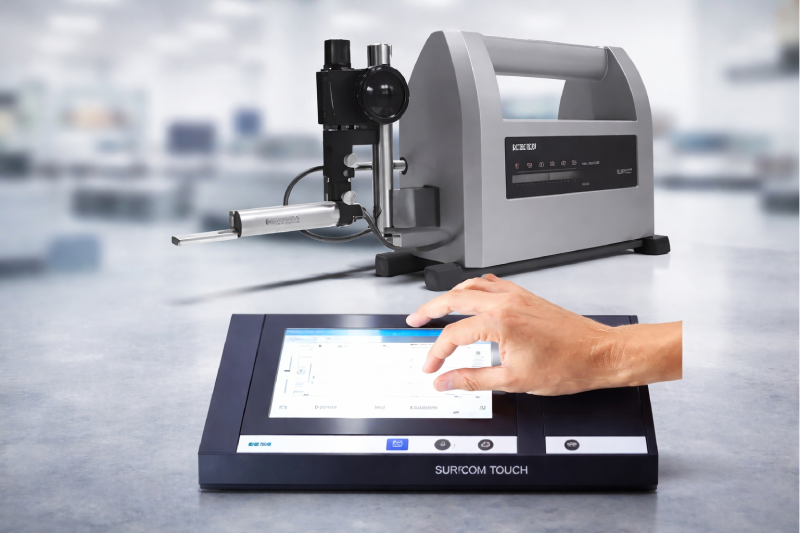
In modern manufacturing, even the smallest surface imperfections can affect performance, durability, and product quality. From automotive components and aerospace parts to medical devices and precision tools, surface finish plays a critical role. This is where a surface roughness tester becomes essential. But how exactly does it work, and why is it so important in quality control? This guide explains the working principle of a surface roughness tester, the basics of surface roughness measurement, and how an Ra tester helps manufacturers maintain consistent standards. What Is Surface Roughness? Surface roughness refers to the fine irregularities present on a material’s surface after machining, grinding, polishing, or coating processes. These irregularities are often too small to see with the naked eye, but can significantly impact: Friction and wear Sealing performance Fatigue life Coating adhesion Overall product reliability Accurate surface roughness measurement ensures that parts meet functional and industry requirements. What Is a Surface Roughness Tester? A surface roughness tester is a precision measuring instrument designed to quantify surface texture. It evaluates microscopic peaks and valleys on a surface and converts them into numerical values that represent surface quality. Most commonly used in manufacturing and inspection environments, these instruments help engineers and quality teams verify whether a surface finish meets specified tolerances. How Does a Surface Roughness Tester Work? The working principle of a surface roughness tester is based on tracing the surface profile and converting physical movement into measurable data. Contact with the Surface (Stylus Movement)In a traditional contact-type surface roughness tester, a diamond-tipped stylus gently moves across the test surface at a controlled speed. As the stylus travels, it follows the microscopic highs and lows of the surface texture. The vertical movement of the stylus is extremely small, often measured in microns, but it accurately reflects the true surface profile. Signal Conversion and AmplificationAs the stylus moves over peaks and valleys, its vertical displacement is converted into an electrical signal. This signal is then amplified and processed by the tester’s internal electronics. This conversion is the foundation of reliable surface roughness measurement, as it ensures precision even on ultra-fine surfaces. Filtering and Evaluation LengthTo eliminate unwanted waviness or form errors, the surface roughness tester applies filters. These filters focus only on roughness characteristics relevant to functional performance. The tester also measures over a defined evaluation length, ensuring consistent and repeatable results. This step is critical for accurate roughness analysis. Calculation of Roughness ParametersOnce the data is processed, the tester calculates surface roughness parameters. The most commonly used parameter is Ra, which represents the average roughness of the surface. A Ra-tester specifically focuses on measuring this widely accepted value, making it ideal for routine inspections and production environments. What Is Ra and Why Is It Important? Ra (Arithmetic Average Roughness) is the average deviation of the surface profile from the mean line over a specified length. It is: Easy to understand Widely specified in engineering drawings Accepted across industries Using a Ra tester helps manufacturers quickly determine whether a surface finish complies with design requirements. However, advanced surface roughness testers can also measure other parameters such as Rz, Rq, and Rt when needed. Types of Surface Roughness Testers Contact Surface Roughness Tester Uses a stylus to trace the surface Highly accurate and widely used Ideal for metal and machined components Non-Contact Surface Roughness Tester Uses optical or laser-based technology No physical contact with the surface Suitable for soft, delicate, or highly polished surfaces Both types play a vital role in industrial surface roughness measurement, depending on application needs. Where Are Surface Roughness Testers Used? A surface roughness tester is essential in industries where precision and consistency matter, including: Automotive manufacturing Aerospace engineering Medical device production Tool and die manufacturing Precision machining and metalworking In each of these sectors, accurate surface roughness measurement helps reduce defects, improve performance, and ensure compliance with international standards. Benefits of Using a Surface Roughness Tester Using a reliable surface roughness tester offers several advantages: Ensures consistent product quality Reduces wear and friction-related failures Improves process control Minimizes rework and scrap Enhances customer confidence A Ra tester, in particular, simplifies quality checks by providing fast and repeatable results during production. Choosing the Right Surface Roughness Tester When selecting a surface roughness tester, consider: Required roughness parameters (Ra only or multiple) Measurement range and accuracy Portability vs bench-top systems Contact or non-contact measurement needs Ease of use and data reporting The right instrument ensures dependable surface roughness measurement and long-term process efficiency. Understanding how a surface roughness tester works is crucial for manufacturers focused on quality, performance, and precision. By tracing the surface profile, converting movement into electrical signals, and calculating key parameters like Ra, these instruments provide valuable insights into surface condition. Whether you rely on a basic Ra tester or an advanced surface roughness measurement system, accurate surface analysis helps maintain standards, optimize processes, and deliver reliable products in today’s competitive manufacturing landscape. Checkout Our Surface Roughness Measuring Instruments

Ultimate Guide to ZEISS SPECTRUM CMM: Features, Benefits & Applications

Ultimate Guide to ZEISS SPECTRUM CMM: Features, Benefits & Applications

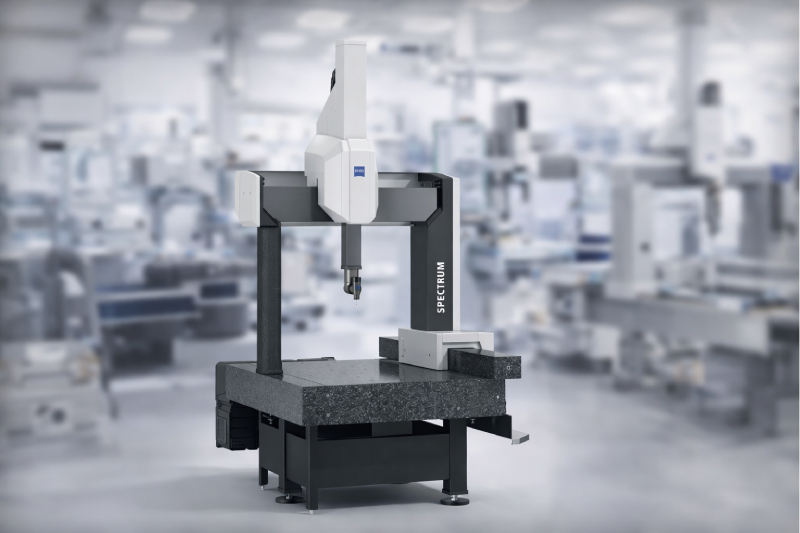
In today’s precision-driven manufacturing environment, accurate measurement is not optional—it’s essential. From automotive components to high-precision industrial parts, quality control depends heavily on reliable measurement systems. This is where the ZEISS SPECTRUM CMM stands out as a powerful and flexible solution. Designed to meet modern production demands, the ZEISS SPECTRUM is a high-performance CMM machine that combines accuracy, versatility, and efficiency. This ultimate guide explores the features, benefits, and real-world applications of the ZEISS SPECTRUM coordinate measuring machine, helping manufacturers understand why it is one of the most trusted systems in industrial metrology. What is ZEISS SPECTRUM CMM? The ZEISS SPECTRUM is a bridge-type coordinate measuring machine developed for precise dimensional inspection of small to medium-sized components. It is part of the ZEISS SPECTRUM family and is engineered to deliver high accuracy while remaining cost-effective and adaptable to different industrial requirements.Unlike conventional measuring systems, the ZEISS CMM machine supports both tactile and optical measurement technologies, making it suitable for a wide range of geometries, materials, and surface types. Its compact footprint and robust design make it ideal for quality labs as well as shop-floor environments. Key Features of ZEISS SPECTRUM CMM Flexible Measurement TechnologyOne of the biggest strengths of the ZEISS SPECTRUM CMM is its ability to support multiple sensor technologies. Users can perform tactile probing for traditional measurements or optical scanning for faster, non-contact inspection. This flexibility allows manufacturers to inspect complex parts efficiently without switching machines. High Accuracy and StabilityAccuracy is the backbone of any CMM machine, and ZEISS delivers consistently. The ZEISS SPECTRUM coordinate measuring machine is designed with high-quality materials and optimized mechanics to ensure stable measurement results over time. This reliability is crucial for maintaining tight tolerances and meeting global quality standards. Compact and Space-Efficient DesignThe ZEISS SPECTRUM is engineered to provide an excellent measuring volume while maintaining a compact footprint. This makes the ZEISS CMM machine suitable for facilities with limited space, without compromising on performance or measurement capability. Advanced ZEISS Software IntegrationThe system works seamlessly with ZEISS measurement software, enabling intuitive programming, automated inspection routines, and detailed reporting. This software integration significantly reduces setup time and improves overall productivity. Benefits of Using ZEISS SPECTRUM CMM Improved Quality ControlBy delivering precise and repeatable measurements, the ZEISS SPECTRUM coordinate measuring machine helps manufacturers detect deviations early in the production process. This reduces rework, scrap, and costly quality issues. Higher ProductivityWith fast measurement cycles and flexible sensor options, the ZEISS SPECTRUM CMM increases inspection speed. Automated workflows and efficient probing strategies allow quality teams to inspect more parts in less time. Cost-Effective PerformanceThe ZEISS SPECTRUM offers an excellent price-to-performance ratio. It provides advanced metrology capabilities without the complexity or cost of larger, high-end systems, making it an ideal entry-level or mid-range CMM machine. Long-Term ReliabilityZEISS is globally known for engineering excellence. Investing in a ZEISS CMM machine ensures long-term reliability, consistent performance, and strong service support, reducing downtime and maintenance concerns. Applications of ZEISS SPECTRUM CMM Automotive IndustryIn the automotive sector, dimensional accuracy is critical. The ZEISS SPECTRUM CMM is widely used for inspecting engine components, transmission parts, brackets, and housings. Its accuracy ensures compliance with strict automotive quality standards. Aerospace and Precision EngineeringFor aerospace and precision engineering applications, even the smallest deviation can cause major issues. The ZEISS SPECTRUM coordinate measuring machine provides the accuracy and repeatability required for complex, high-precision components. Electronics and Small Parts ManufacturingThe compact design and optical scanning capabilities of the ZEISS SPECTRUM make it ideal for measuring small, delicate components commonly found in electronics and electrical manufacturing. Tooling, Molds, and DiesManufacturers of molds, dies, and tooling rely on the ZEISS CMM machine to verify intricate geometries and ensure dimensional accuracy throughout the production lifecycle. Why Choose ZEISS SPECTRUM Over Other CMM Machines? What sets the ZEISS SPECTRUM apart from other CMM machines is its balance of performance, flexibility, and ease of use. It adapts to changing production requirements, supports advanced measurement technologies, and delivers consistent results across industries. For manufacturers seeking a reliable coordinate measuring machine that can grow with their business, the ZEISS SPECTRUM is a future-ready solution. Final Thoughts The ZEISS SPECTRUM CMM is more than just a measurement system—it is a strategic investment in quality, efficiency, and precision. With its flexible sensor technology, robust design, and powerful software integration, the ZEISS SPECTRUM coordinate measuring machine meets the evolving demands of modern manufacturing. Whether you operate in automotive, aerospace, electronics, or precision engineering, choosing a ZEISS CMM machine ensures accurate measurements, improved productivity, and long-term value. For companies looking to strengthen their quality control processes, the ZEISS SPECTRUM stands as a reliable and performance-driven solution. Explore ZEISS CMM Measurement Solutions

Surface Roughness and Contour Measurement - Precision Inspection Solutions

Surface Roughness and Contour Measurement – Precision Inspection Solutions

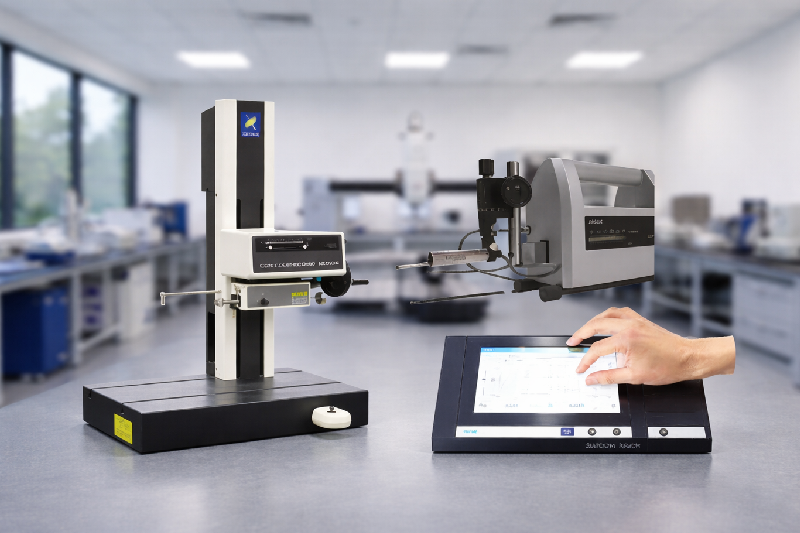
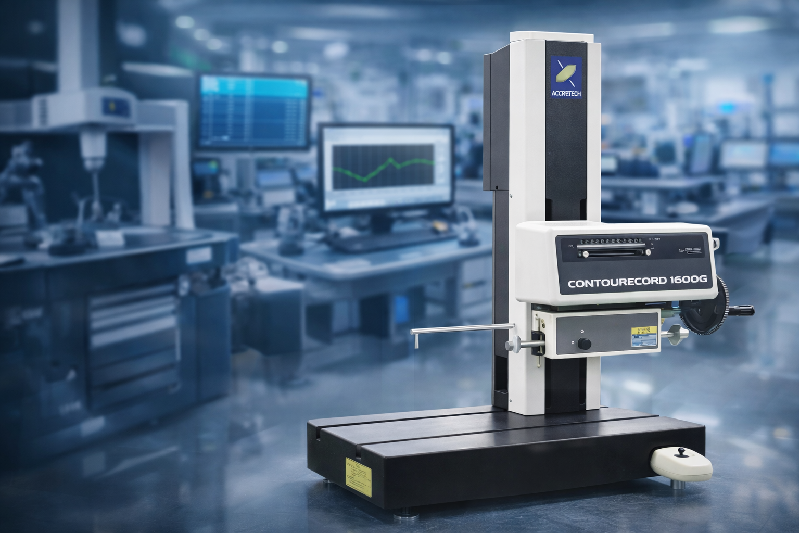
In today’s precision-driven manufacturing environment, even the smallest surface variation can significantly impact product performance, reliability, and lifespan. Surface roughness and contour measurement are essential inspection processes used to verify both surface texture and overall component geometry. These measurements help manufacturers maintain quality consistency, reduce defects, and ensure compliance with international standards across industries such as automotive, aerospace, medical devices, and precision engineering. Understanding Surface Texture – Roughness, Waviness, and Form Surface texture is a combination of multiple elements that influence a component’s functional behavior. To ensure accurate inspection, it is important to distinguish between roughness, waviness, and form. Surface Roughness refers to fine, closely spaced irregularities created by machining processes such as grinding, milling, turning, or polishing. Waviness consists of larger, widely spaced deviations typically caused by machine vibration, tool wear, or thermal effects. Form (Contour) represents the overall shape or profile of a component, including straightness, roundness, angles, and radii. Accurate surface roughness and contour measurement allow manufacturers to separate these elements using advanced filtering techniques and analyze each characteristic independently. What Is Surface Roughness Measurement? Surface roughness measurement evaluates the micro-level texture of a surface that directly affects friction, wear, lubrication, sealing efficiency, and fatigue strength. Even when a part appears smooth to the naked eye, microscopic irregularities can impact its performance during operation. Common roughness parameters include – Ra (Arithmetic Mean Roughness) – The most widely used parameter for general surface quality assessment. Rz (Average Maximum Height) – Measures the average peak-to-valley height, critical for sealing and contact surfaces. Rq (Root Mean Square Roughness) – More sensitive to extreme peaks and valleys than Ra. Rt (Total Height of Profile) – Indicates the maximum vertical distance across the evaluation length. Selecting the correct roughness parameter ensures accurate functional evaluation and process control. What Is Contour Measurement? Contour measurement focuses on the macro-level geometry of a component by evaluating its profile and shape against nominal design values. It is essential for verifying complex geometries and tight tolerances that cannot be assessed using roughness measurement alone. Contour measurement helps assess – Radii and chamfers Angles and slopes Groove depth and step height Straightness and profile deviation Accurate contour measurement ensures proper fit, assembly accuracy, and dimensional compliance in precision components. Difference Between Surface Roughness and Contour Measurement Although related, surface roughness and contour measurement serve different inspection purposes. Aspect Surface Roughness Contour Measurement Measurement Scale Micro-level texture Macro-level profile Key Focus Functional surface quality Shape and geometry accuracy Typical Parameters Ra, Rz, Rq, Rt Radius, angle, profile deviation Functional Impact Wear, friction, sealing Fit, alignment, dimensional accuracy Both measurements are complementary and often required together for complete quality assessment. Measurement Methods and Instruments Surface roughness and contour measurement are commonly performed using stylus-based profilometers and contour measuring instruments. These systems use a high-precision probe to trace the surface and capture vertical and horizontal profile data. Modern measurement systems offer – High-resolution sensors for accurate data capture Combined roughness and contour measurement in a single setup Advanced software for profile analysis and reporting Compliance with ISO and international standards These capabilities ensure repeatable, reliable inspection results across different production environments. Role of Software in Surface Roughness and Contour Measurement Software plays a crucial role in transforming raw measurement data into meaningful insights. Advanced analysis software enables – Automatic filtering and parameter calculation Profile fitting and form removal Graphical visualization of measured profiles Tolerance comparison with pass/fail results Customizable and traceable inspection reports This reduces operator dependency, improves repeatability, and supports quality audits. Contact vs Non-Contact Measurement Techniques Understanding available measurement techniques helps manufacturers select the right solution. Contact Measurement (Stylus-Based) High accuracy and repeatability Ideal for both surface roughness and contour measurement Suitable for most industrial components and materials Non-Contact Measurement (Optical Methods) Faster inspection for sensitive or soft surfaces No physical contact with the component Limited performance on steep slopes or deep grooves For most precision manufacturing applications, contact-based measurement remains the preferred and most reliable approach. Importance of Surface Roughness and Contour Measurement in Quality Control Poor surface quality or inaccurate contour can result in – Premature component wear or failure Increased friction and energy loss Poor sealing and leakage Assembly and alignment issues By integrating surface roughness and contour measurement into quality control workflows, manufacturers can reduce rework, improve process stability, and enhance overall product performance. Best Practices for Accurate Measurement To achieve consistent and reliable results, manufacturers should follow best practices such as – Cleaning surfaces before measurement Selecting the appropriate stylus and measurement parameters Maintaining stable environmental conditions Performing regular instrument calibration Using trained operators and standardized procedures These practices ensure measurement accuracy and long-term reliability. Applications Across Industries Surface roughness and contour measurement are widely used in – Automotive – Engine components, brake systems, transmission parts Aerospace – Turbine blades, structural components Medical Devices – Implants, surgical tools Tooling & Mold Making – Dies, molds, precision tooling General Engineering – Bearings, shafts, seals Each industry relies on accurate measurement to meet strict quality and safety standards. Why Choose QS Metrology for Surface Roughness and Contour Measurement? QS Metrology provides high-precision surface roughness and contour measurement solutions tailored to modern manufacturing requirements. With advanced measuring instruments, expert technical support, and reliable after-sales service, QS Metrology helps manufacturers achieve consistent inspection accuracy and regulatory compliance. From solution selection and installation to calibration and application support, QS Metrology is your trusted partner for precision surface measurement. Explore Our Industrial Quality Solutions

CMM Least Count Explained | Precision CMM Solutions by QS Metrology

CMM Least Count Explained | Precision CMM Solutions by QS Metrology

Precision measurement is the backbone of modern manufacturing. From automotive and aerospace components to medical devices and precision engineering parts, even the smallest deviation can impact product quality. One of the most important parameters that defines the measurement capability of a Coordinate Measuring Machine is CMM least count. This blog explains the concept of CMM least count in a clear and practical way, covering its definition, importance, influencing factors, and how it affects measurement accuracy in real‑world industrial applications. What Is CMM Least Count? CMM least count refers to the smallest change in dimension that a Coordinate Measuring Machine can detect and display. In simple terms, it is the minimum measurable unit or resolution of the CMM system. Just like vernier calipers or micrometers have a defined least count, a CMM also has a measurable resolution that determines how finely it can read dimensional changes. However, unlike manual measuring instruments, the least count of a CMM is not defined by physical scale markings alone. It depends on a combination of electronic, mechanical, and software‑based factors. Why CMM Least Count Is Important in Metrology? Understanding CMM least count is essential for ensuring reliable measurement results and consistent product quality. Its importance includes – High‑precision measurement – A smaller CMM least count allows the machine to detect very fine dimensional variations. Quality control confidence – Accurate least count ensures that inspection results truly represent the part’s dimensions. Tolerance verification – When tolerances are tight, the CMM least count must be significantly smaller than the tolerance value. Process capability improvement – Reliable measurement resolution helps manufacturers control machining and production processes more effectively. Compliance with industry standards – Many industries require measurement systems capable of resolving dimensions at micron or sub‑micron levels. Factors That Affect CMM Least Count The CMM least count is influenced by several internal and external components of the measuring system – 1. Scale Resolution The linear scales or encoders fitted on the X, Y, and Z axes of a CMM determine how finely machine movement can be read. Higher encoder resolution directly improves the least count. 2. Probe Resolution The measuring probe plays a critical role in detecting surface contact or position. The sensitivity of the probe system impacts the smallest detectable movement. 3. System Electronics and Software Signal processing, interpolation, and internal electronics influence how measurement data is interpreted and displayed. 4. Mechanical Stability Machine structure, guideways, and bearings affect vibration and stability, which indirectly impacts effective measurement resolution. 5. Environmental Conditions Temperature variations, humidity, and vibration can affect CMM performance and limit the practical least count achievable during operation. How CMM Least Count Is Determined? Unlike traditional measuring tools, CMM least count is not calculated using a single fixed formula. Instead, it is determined by considering the combined effect of – Scale resolution Probe resolution Internal system noise In practical terms, CMM least count represents the smallest incremental movement that the entire measurement system can reliably detect and display. Manufacturers typically specify this value in microns (µm) based on the CMM’s design and performance characteristics. CMM Least Count vs Accuracy It is important not to confuse CMM least count with accuracy. CMM least count defines the smallest measurable unit or resolution. Accuracy defines how close the measured value is to the true value. A CMM may have a very fine least count but still produce inaccurate results if calibration, environmental control, or machine condition is poor. For reliable inspection, least count, accuracy, and repeatability must all work together. Typical CMM Least Count Values Modern Coordinate Measuring Machines commonly have least count values ranging from – 0.5 µm to 1 µm for standard industrial CMMs Below 0.5 µm for high‑precision and laboratory‑grade CMM systems The appropriate CMM least count depends on application requirements, part tolerances, and industry standards. Why Choose QS Metrology for CMM Solutions? QS Metrology provides advanced Coordinate Measuring Machine (CMM) solutions designed to deliver reliable performance, precise resolution, and consistent measurement results. With a strong focus on accuracy, stability, and long-term service support, QS Metrology ensures that the CMM least count of every system meets the demands of modern manufacturing. From machine selection and installation to calibration, training, and after-sales support, QS Metrology helps manufacturers achieve dependable inspection results, improved process control, and confidence in quality compliance. Applications Where CMM Least Count Matters Most CMM least count plays a critical role in industries such as – Automotive component inspection Aerospace and defense manufacturing Medical device production Precision machining and tooling Electronics and micro‑engineering In these applications, even micron‑level deviations can affect performance, safety, and compliance. Best Practices to Maintain Effective CMM Least Count To ensure your CMM delivers consistent resolution – Maintain proper temperature control in the inspection area Perform regular calibration and verification Use appropriate probing systems for the application Minimize vibration and external disturbances Follow recommended maintenance schedules CMM least count is a critical parameter that defines the resolution and measurement capability of a Coordinate Measuring Machine. By understanding what it means, how it is determined, and why it matters, manufacturers and quality engineers can make better decisions when selecting and operating CMM systems. A well‑maintained CMM with an appropriate least count ensures accurate inspection, consistent quality, and confidence in manufacturing processes. Discover Our Precision CMM Systems

Scroll to Top